



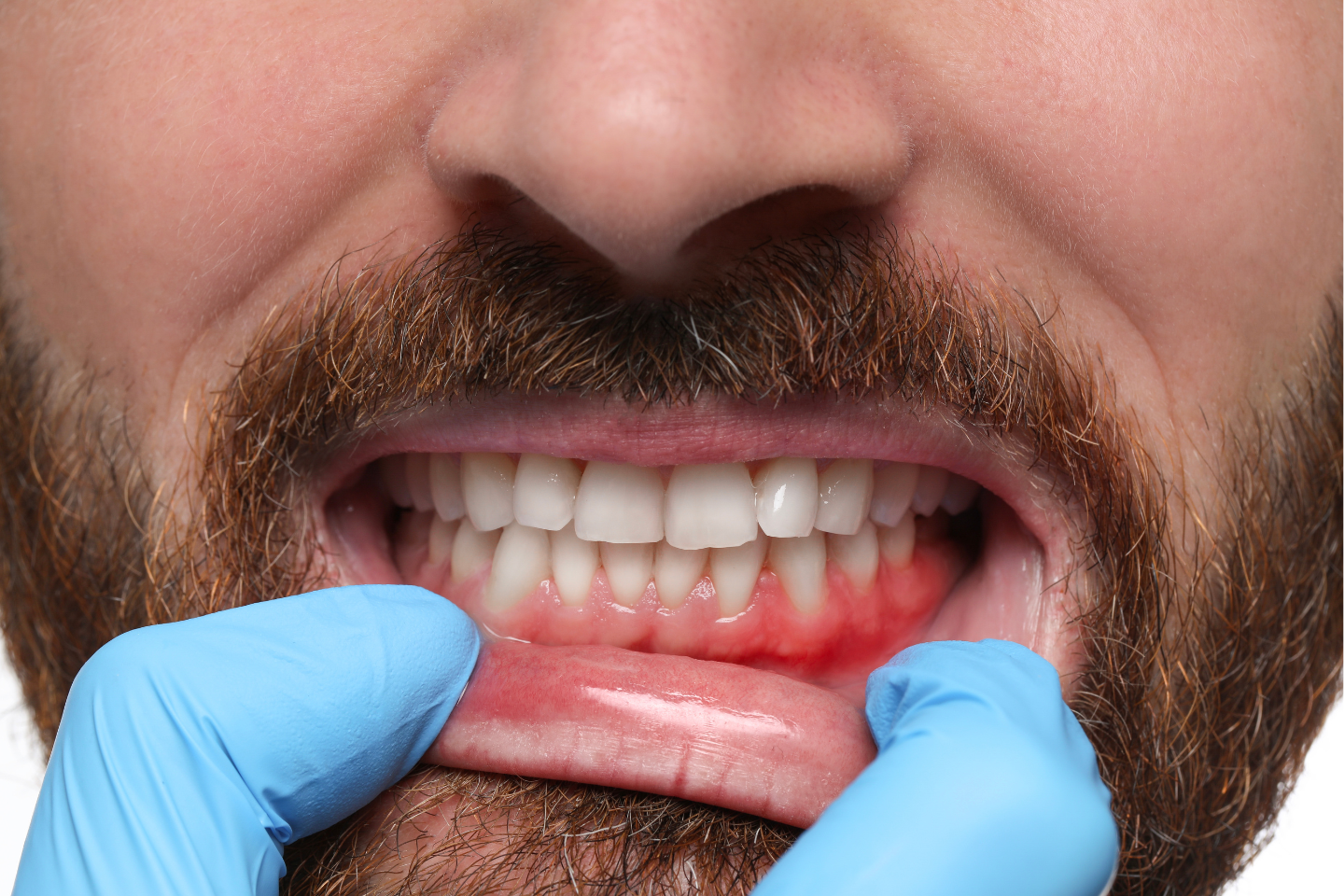
Most people don’t think much about their gums until something goes wrong. A little blood in the sink, gums that feel a bit sore, or breath that doesn’t quite freshen up easy to shrug off, easy to explain away. But here’s the thing: these are often the earliest signs of gum disease, and catching them early makes all the difference.
According to the British Society of Periodontology, around 45% of UK adults have some form of gum disease and many of them don’t know it. The condition starts quietly, progresses gradually, and by the time it causes obvious problems, it can be significantly harder to treat. The good news is that when you know what to look for, the early signs of gum disease are surprisingly easy to spot.
At Aqua Dental Clinic in Harrow, we see patients at every stage of gum health from those just starting to notice changes to those dealing with more advanced concerns. What unites the most successful outcomes is always the same thing: acting early. This guide walks you through the seven warning signs you genuinely shouldn’t brush aside.
Gingivitis vs Periodontitis: Understanding What You’re Actually Dealing With
Gum disease isn’t a single condition it’s a spectrum. It starts with gingivitis, which is inflammation of the gum tissue caused by plaque build-up along the gumline. At this stage, the damage is reversible. With the right professional care, including regular visits to our dental hygienist, and improved brushing and flossing habits, your gums can return to full health., your gums can return to full health.
If gingivitis symptoms go unaddressed, the infection moves deeper into the bone and connective tissue that hold your teeth in place. This is periodontitis, and it’s not reversible in the same way. The goal shifts from curing to managing, and the treatment becomes more involved.
This distinction matters because the window between gingivitis and periodontitis is exactly where early action has the most impact. The signs listed below are your body’s way of flagging that you’re still in the treatable zone but not indefinitely.
The 7 Early Signs of Gum Disease And What Each One Is Telling You
1. Bleeding Gums – The Sign Most People Dismiss as Nothing
If your gums bleed when you brush or floss, that’s not a sign you’re brushing too hard. Healthy gum tissue doesn’t bleed under normal brushing full stop. Bleeding gums are one of the most reliable early indicators of gum inflammation, and in most cases, that inflammation is driven by plaque that has accumulated along the gumline.
Many patients tell us they’ve had occasional bleeding for months or even years before seeking help. Some assume it means they need to floss more gently. In fact, the opposite is often true consistent, proper flossing reduces gum inflammation over time and stops the bleeding. If yours persists beyond two weeks of good oral hygiene, it’s time to book a comprehensive dental examination to identify the underlying cause before it progresses.
2. Swollen, Red, or Tender Gums – When Colour Is a Clue
Healthy gums are coral pink and firm to the touch. When they become red, puffy, or tender particularly along the gumline or between teeth it’s a visible indicator of inflammation. The gum tissue is reacting to bacteria, and the swollen gums are part of your body’s immune response trying to contain the infection.
Swollen gums treatment at this early stage is typically straightforward. A professional clean to remove hardened plaque (tartar), combined with improved home hygiene, is often enough to bring inflammation under control. But left alone, that same inflammation gradually destroys the supporting structures beneath the surface.
3. Bad Breath That Won’t Shift – More Than a Morning Problem
Persistent bad breath or a consistently unpleasant taste in the mouth is one of the more socially distressing early signs of gum disease, and one of the most commonly overlooked. When plaque and tartar accumulate below the gumline, the bacteria there release volatile sulphur compounds that cause a distinct, lingering odour. Mouthwash masks it temporarily, but doesn’t address the underlying cause.
If you’ve ruled out dietary causes (garlic, coffee, certain medications) and your bad breath still doesn’t respond to thorough brushing and flossing, it’s worth arranging a periodontal assessment to determine whether gum disease is contributing to the problem. This symptom alone is reason enough for a dental examination.
4. Receding Gums – When Your Teeth Start Looking Longer
Gum recession is what happens when the gum tissue gradually pulls away from the tooth, exposing the root surface beneath. Patients often notice it because their teeth appear longer, or because they develop a sudden sensitivity to hot, cold, or sweet foods that wasn’t there before.
Recession can be caused by gum disease, but also by aggressive brushing or misaligned teeth. Regardless of the cause, it requires attention. Once the gum tissue recedes, it doesn’t regenerate on its own. Depending on severity, treatment may range from improved technique and professional monitoring to more specialised periodontal intervention.
5. Increased Sensitivity to Temperature – When Root Exposure Becomes Noticeable
Tooth sensitivity linked to gum disease is different from sensitivity caused by enamel erosion or cavities. When gums recede or pockets form between the gum and tooth, the cementum-covered root surface becomes exposed. Unlike enamel, cementum offers very little thermal protection, making the tooth highly responsive to temperature changes.
If you’ve recently noticed sensitivity that wasn’t there a few months ago particularly affecting multiple teeth it’s worth considering whether gum changes may be driving it. A dentist can identify the source and recommend appropriate management.
6. Loose or Shifting Teeth – A Red Flag That Demands Prompt Attention
Teeth should feel stable. If you notice one or more teeth feel even slightly mobile, or if gaps have appeared between teeth that weren’t there before, this points to significant bone or ligament loss the kind that occurs when periodontitis has been progressing without treatment for some time.
This isn’t a sign to monitor over a few months. Loose teeth require prompt assessment, as advanced gum disease can eventually result in tooth loss and the need for dental implant treatment or crowns and bridges. While advanced periodontal disease can be managed and stabilised, the goal shifts to preserving what remains and the sooner treatment begins, the more that can be saved.
7. Pus Between Teeth or Gums – A Sign the Infection Has Taken Hold
Finding pus or discharge around the gumline is one of the more alarming signs, but patients occasionally normalise it if it’s not causing obvious pain. Pus indicates a bacterial infection within the periodontal pocket the space between the tooth and gum that deepens as gum disease progresses.
If you notice any discharge, swelling, or a tooth feels raised from the bite, this warrants an urgent dental appointment. Left untreated, a periodontal abscess can spread rapidly and cause significant damage to surrounding tissue and bone.
Why Some People Are More Vulnerable Than Others
Gum disease doesn’t affect everyone equally. Several factors can make you more susceptible or cause the condition to progress more quickly:
- Smoking: Tobacco use is one of the strongest risk factors for periodontitis. It impairs circulation to the gums, reduces immune response, and masks some early warning signs particularly bleeding making disease harder to detect.
- Type 2 diabetes: There is a well-established bidirectional relationship between diabetes and gum disease. Poor blood sugar control increases susceptibility to infection, and active gum disease can make blood sugar harder to manage.
- Hormonal changes: Pregnancy, puberty, and the menopause can all increase gum sensitivity and susceptibility to inflammation even with good oral hygiene.
- Medications: Certain blood pressure medications, antidepressants, and anticonvulsants can cause gum overgrowth or reduce saliva flow, increasing plaque accumulation.
- Genetics: Some individuals are genuinely more predisposed to periodontal disease due to inherited immune responses. If gum disease runs in your family, more frequent monitoring is sensible.
- Stress: Chronic stress raises cortisol levels, which can suppress immune function and make it harder for your body to fight off gum infection.
Gum Disease Prevention: What Actually Makes a Difference Day to Day
The fundamentals of gum disease prevention are well-established, but execution matters far more than intention. Here’s what to actually focus on:
- Brush for two full minutes, twice a day: Use a soft-bristled brush angled at 45 degrees to the gumline. Electric toothbrushes have been shown in multiple studies to remove more plaque than manual brushes, particularly along the gumline.
- Floss or use interdental brushes every day: Plaque between teeth is the single biggest driver of gum disease, and a toothbrush cannot reach it. Interdental brushes are often easier to use than floss and equally effective for most people.
- Use a fluoride toothpaste: Standard fluoride toothpaste protects against cavities and is appropriate for adults with gum disease. Avoid rinsing with water immediately after brushing spit, don’t rinse, to let the fluoride work.
- Attend dental check-ups at least twice a year: Professional cleaning removes tartar that brushing cannot shift. Your dentist or hygienist can also identify early changes you may not be aware of.
- Stop smoking: The single most impactful lifestyle change for gum health. The NHS offers free smoking cessation support through your GP or pharmacy.
- Stay well hydrated: Saliva is one of your mouth’s natural defences against bacteria. A dry mouth allows plaque to accumulate more quickly.
What Gum Disease Treatment Actually Involves – No Surprises
One of the reasons patients delay treatment is anxiety about what it will involve. The reality is that early-stage gum disease is treated conservatively and comfortably. Here’s what to expect at each stage:
Early-Stage Gingivitis
A professional scale and polish to remove plaque and tartar, combined with personalised oral hygiene instruction, is usually enough to resolve gingivitis entirely. Most patients see significant improvement within a few weeks.
Moderate Periodontitis
Root surface debridement (sometimes called a deep clean) cleans below the gumline to remove bacteria from the periodontal pockets. This is typically done under local anaesthetic and may be carried out across several appointments. After treatment, regular periodontal maintenance appointments help keep the condition stable.
Advanced Periodontitis
More advanced cases may require referral to a periodontist (a specialist in gum disease) for surgical interventions. While this stage requires more intensive management, the priority is always stabilising the condition and preserving as many teeth as possible.
Don’t Wait for Gum Disease to Announce Itself – It Rarely Does!
The reason gum disease causes so much preventable tooth loss in the UK is not that treatment doesn’t work it’s that people wait too long to seek it. The early signs of gum disease are easy to spot when you know what to look for, and easier still to address at that early stage.
If any of the seven signs described in this article sound familiar bleeding gums, swollen or tender gums, persistent bad breath, recession, sensitivity, loose teeth, or discharge please don’t leave it. Book an appointment with your dentist and have your gum health assessed properly. The difference between a scale and polish today and losing teeth in five years genuinely comes down to acting on those early signals.
At Aqua Dental Clinic in Harrow, our team provides thorough periodontal assessments and tailored treatment plans in a calm, supportive environment. Whether you’re concerned about a specific symptom or just overdue a check-up, we’re here to help. Contact us today to arrange your appointment.
Frequently Asked Questions About Gum Disease
Can gum disease go away without treatment?
Gingivitis the earliest stage can be reversed with professional cleaning and improved home hygiene. However, it won’t resolve on its own without intervention. More advanced gum disease (periodontitis) cannot be cured, only managed. The earlier you seek treatment, the simpler and more effective it tends to be.
Are bleeding gums always a sign of gum disease?
Persistent bleeding gums are almost always linked to gum inflammation, which is the hallmark of early gum disease. Occasional bleeding from brushing too aggressively can occur, but if bleeding happens consistently regardless of how hard you’re brushing it warrants a dental assessment. Bleeding gums should never be normalised.
How quickly can gum disease progress?
This varies considerably between individuals. Some people develop significant periodontitis within a few years of untreated gingivitis, while others progress more slowly. Certain risk factors smoking, diabetes, stress, genetic predisposition can accelerate progression markedly. Regular check-ups allow any changes to be caught before they advance.
Is gum disease treatment painful?
Early-stage treatment is generally very comfortable. Professional cleaning and scale and polish procedures may cause mild tenderness around inflamed gum tissue, but this settles quickly. Deep cleaning procedures are carried out under local anaesthetic, so you shouldn’t feel discomfort during the appointment. Some sensitivity in the days after is normal and manageable.
Can I get gum disease even if I brush my teeth twice a day?
Yes brushing alone doesn’t clean between teeth, which is where the majority of plaque accumulates and where gum disease typically starts. Without daily interdental cleaning (flossing or interdental brushes), plaque builds up in those spaces and can trigger inflammation even in people with otherwise good oral hygiene routines.
Does gum disease affect overall health?
Research has established links between periodontitis and several systemic health conditions, including type 2 diabetes, cardiovascular disease, and adverse pregnancy outcomes. The relationship is believed to be bidirectional in some cases gum disease can worsen certain conditions, and certain conditions can make gum disease harder to control. Managing your gum health is about far more than your mouth.
Related reading:
Related: Gum recession treatment: causes, options and gum grafts.