



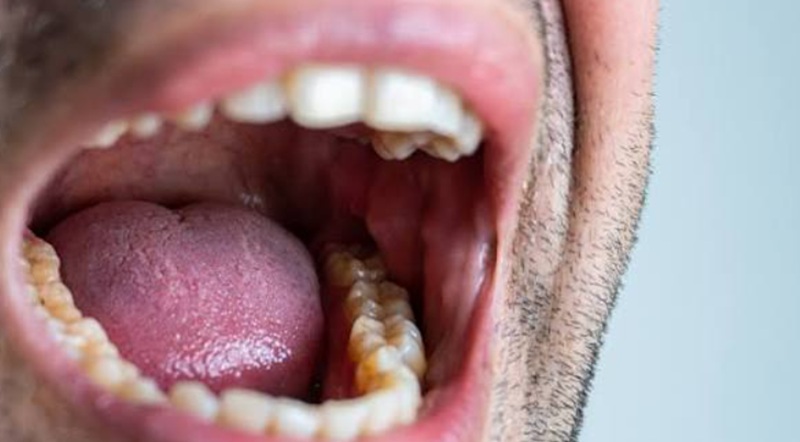
A sudden metallic or coppery taste can be unsettling, especially when you have not eaten anything that would explain it. For many people the sensation is short-lived and harmless, but sometimes it is a sign that something in your mouth or your general health needs attention. Understanding the likely causes helps you decide whether the right step is a trip to the dentist, a chat with your GP, or simply a few days of watchful waiting.
This guide walks through the common reasons behind a metallic taste in the mouth, splits them into dental and non-dental causes, and explains what you can safely try at home. It is general information rather than a diagnosis, so please treat it as a starting point.
Why do I have a metallic taste?
Taste is a surprisingly sensitive system. It can be thrown off by anything that changes the environment inside your mouth, alters the tiny amounts of blood or bacteria present, or affects the nerves and receptors involved in flavour. Because so many things can influence it, a metallic taste is best thought of as a symptom with several possible sources rather than a single condition.
The causes below fall into two broad groups. Dental causes usually respond well to treatment from a dentist or hygienist. Non-dental or medical causes are more varied, and some of them point towards your GP or pharmacist instead.
Common causes at a glance
| Possible cause | Group | Who can usually help |
|---|---|---|
| Gum disease, gingivitis or bleeding gums | Dental | Dentist or hygienist |
| Tooth or gum infection (abscess) | Dental | Dentist, urgently if painful or swollen |
| Poor oral hygiene and plaque build-up | Dental | Dentist or hygienist |
| After recent dental work or new fillings and crowns | Dental | Dentist if it does not settle |
| Certain medicines and supplements | Medical | GP or pharmacist |
| Pregnancy (especially early on) | Medical | GP or midwife if concerned |
| Colds, sinus infections and blocked nose | Medical | Usually settles alone; GP if it lingers |
| Vitamin or mineral deficiencies | Medical | GP |
| Other, less common medical conditions | Medical | GP |
Dental causes of a metallic taste
Because a metallic taste often comes from small traces of blood, the gums are one of the first places to look. When gum tissue is inflamed it bleeds easily, and even a little blood carries the iron-rich flavour many people describe as metallic.
Gum disease and bleeding gums
Gingivitis, the early stage of gum disease, makes gums red, tender and prone to bleeding when you brush or floss. That low-level bleeding is a frequent reason for a metallic taste, particularly first thing in the morning. Left unchecked, gum disease can progress and affect the bone supporting your teeth, so it is worth taking early signs seriously. Our guide to the early signs of gum disease covers what to watch for.
Tooth or gum infection
An infected tooth or a dental abscess can release pus and blood, both of which change how your mouth tastes. Infections often come with pain, swelling, sensitivity to hot or cold, or a bad taste that will not shift. These are not symptoms to sit on. If you have facial swelling, a raised temperature or throbbing pain alongside the taste, seek help quickly through emergency dental care.
Plaque, poor hygiene and dental work
When plaque and bacteria build up, they can sour the taste in your mouth and irritate the gums, which then bleed. Improving your daily routine and having plaque removed professionally usually makes a clear difference. A regular dental hygiene appointment keeps the gums healthy and the mouth feeling fresh. A metallic taste can also appear briefly after fillings, crowns or other treatment as your mouth adjusts. This normally fades within a few days, but tell your dentist if it lingers.
Non-dental and medical causes
Not every metallic taste starts in the mouth. Several general health factors can produce the same sensation, and these are the ones to raise with a GP or pharmacist rather than a dentist.
Medicines and supplements
A long list of medicines can alter taste, including some antibiotics, blood pressure tablets, and treatments that contain metals such as certain iron or zinc supplements. If a metallic taste began soon after starting a new medicine, mention it to your pharmacist or GP. Do not stop a prescribed medicine on your own.
Pregnancy
Hormonal changes in early pregnancy commonly affect taste and smell, and a metallic flavour is one recognised example. It usually eases as pregnancy progresses. If it is bothering you a great deal, your GP or midwife can offer reassurance and practical tips.
Colds, sinus problems and vitamin levels
Taste and smell are closely linked, so a heavy cold, blocked nose or sinus infection can leave food and drink tasting odd, sometimes metallic. This tends to clear as the infection resolves. Low levels of certain vitamins and minerals can also change taste, which is something a GP can check with a simple conversation and, where needed, tests. Less commonly, a metallic taste is connected to other medical conditions, which is another reason to see your GP if the taste is persistent or comes with other symptoms.
What you can do at home
While you work out the cause, a few simple steps often help and rarely do any harm:
- Brush twice a day with a fluoride toothpaste and clean between your teeth daily.
- Stay well hydrated, as a dry mouth can make taste changes worse.
- Rinse with a little warm salty water if your gums feel sore, unless your dentist has advised otherwise.
- Cut back on smoking, which affects both gum health and taste.
- Try eating with plastic or wooden utensils if metal cutlery seems to make things worse.
- Keep a note of when the taste appears and anything that seems to trigger it, which helps your dentist or GP.
When to seek help
See a dentist if the metallic taste comes with bleeding, sore or swollen gums, toothache, sensitivity, or a bad taste that will not go away, since these point to something treatable in the mouth. Book urgent dental care if you have facial swelling, severe pain or a fever. Speak to your GP or pharmacist if the taste followed a new medicine, or if it persists without any obvious dental cause, especially alongside other symptoms such as unexplained tiredness or changes in appetite. A taste change that hangs around for more than a week or two is always worth having checked.
Frequently asked questions
Is a metallic taste in the mouth serious?
Often it is not, and it settles on its own or once a minor cause such as a cold clears. It can, however, signal gum disease, an infection or an underlying medical issue, so a taste that persists or comes with other symptoms should be checked by a dentist or GP.
Can gum disease cause a metallic taste?
Yes. Inflamed gums bleed easily, and traces of blood create a metallic flavour. This is one of the more common dental reasons, and it is a good prompt to look at your gum health and book a check-up.
Why do I get a metallic taste in the morning?
Reduced saliva overnight and minor gum bleeding can both leave a metallic taste when you wake. A consistent oral hygiene routine and a professional clean usually help, and your dentist can look into it if it continues.
Should I see a dentist or a GP for a metallic taste?
Choose a dentist if the taste comes with gum or tooth symptoms such as bleeding, pain or swelling. Choose your GP or pharmacist if it started with a new medicine, during pregnancy, or without any dental signs. When in doubt, a dentist can help rule out oral causes first.
Talk to Aqua Dental Clinic in Hatch End
If a metallic taste is sticking around or your gums are bleeding, our team at Aqua Dental Clinic in Hatch End can take a proper look and help you get to the bottom of it. We look after patients across Hatch End, Pinner, Harrow and North West London. To arrange a check-up or a hygiene appointment, get in touch with us and we will find a time that suits you.
Reviewed by the clinical team at Aqua Dental Clinic, Hatch End. This article is general information and does not replace medical or dental advice. If a metallic taste persists or you have other symptoms, see your dentist or GP.