



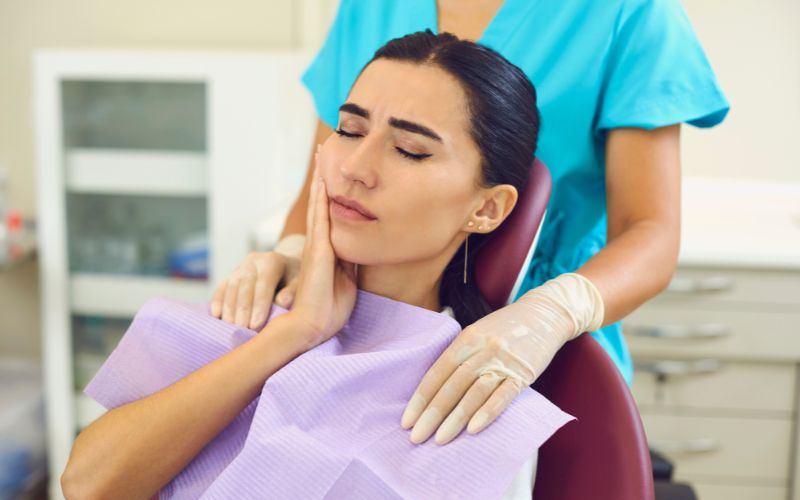
Have you noticed that your morning coffee suddenly feels too hot, or that a sip of ice-cold water causes a sharp twinge in your teeth? If so, you’re not alone. Many adults experience increased tooth sensitivity as they get older, even if they’ve never had problems in the past.
Understanding the most common teeth sensitivity causes can help you take action before the discomfort becomes a daily frustration. While occasional sensitivity may seem like a minor inconvenience, it can sometimes signal underlying dental issues that require professional attention.
At Aqua Dental Clinic in Harrow, we frequently see patients who are concerned about sensitive teeth after 40 and beyond. The good news is that age-related sensitivity is often manageable when the underlying cause is identified early.
Why Tooth Sensitivity Becomes More Common With Age
To understand why sensitivity develops, it helps to know how a tooth is structured.
The outer layer of your tooth is enamel, one of the hardest substances in the human body. Beneath the enamel lies dentine, which contains thousands of microscopic tubules that connect directly to the tooth’s nerve centre.
When enamel wears away or gums recede, these tubules become exposed. Hot, cold, sweet, or acidic foods can then stimulate the nerve, resulting in the familiar sharp sensation associated with tooth sensitivity.
As we age, several natural changes can increase the likelihood of this happening.
The Most Common Teeth Sensitivity Causes in Adults Over 40
Gum Recession Exposes Vulnerable Root Surfaces
One of the leading causes of tooth sensitivity is gum recession.
Over time, gum tissue can gradually pull away from the teeth. This may occur due to:
- Age-related changes
- Gum disease
- Aggressive brushing
- Teeth grinding
- Smoking
Unlike enamel, tooth roots are protected by a softer material called cementum. Once exposed, these areas are significantly more sensitive to temperature changes.
If you have noticed your teeth appearing longer than they used to, it may be worth scheduling a gum health assessment to determine whether gum recession is contributing to your symptoms.
Years of Enamel Wear Add Up
Enamel does not regenerate once it is lost.
Decades of everyday wear from chewing, acidic foods, fizzy drinks, and certain medications can gradually thin the protective enamel layer.
Common contributors include:
- Citrus fruits
- Wine
- Sports drinks
- Carbonated beverages
- Acid reflux
As enamel becomes thinner, the dentine underneath becomes more vulnerable to stimulation.
Untreated Teeth Grinding Creates Hidden Damage
Many adults clench or grind their teeth while sleeping without realising it.
This habit, known as bruxism, can wear down enamel significantly over time. It often develops gradually, which means patients may not notice symptoms until sensitivity becomes more pronounced.
Signs of grinding may include:
- Morning jaw discomfort
- Headaches
- Flattened tooth surfaces
- Chipped teeth
A comprehensive dental examination can often identify evidence of grinding before more serious damage occurs.
Why Cold Drinks Suddenly Cause Pain
Understanding Tooth Sensitivity to Cold Drinks
One of the most common complaints we hear involves tooth sensitivity to cold drinks.
Cold temperatures cause fluid movement within exposed dentinal tubules. This movement stimulates the nerve inside the tooth, triggering a sudden sharp sensation.
If cold drinks are becoming increasingly uncomfortable, several factors may be responsible:
- Gum recession
- Enamel erosion
- Cracked teeth
- Tooth decay
- Worn fillings
The important thing to remember is that persistent cold sensitivity should not simply be accepted as part of ageing.
Gum Disease and Sensitivity Often Go Hand in Hand
Many people are surprised to learn that sensitivity can be linked to gum disease.
When plaque and tartar accumulate along the gumline, inflammation develops. Over time, this can cause the gums to recede and expose root surfaces.
Early warning signs include:
- Bleeding gums
- Swollen gums
- Persistent bad breath
- Gum tenderness
Addressing gum disease early through professional gum disease treatment can help prevent further recession and reduce sensitivity.
Dental Restorations May Need Attention as You Age
Even high-quality dental work does not last forever.
Older fillings, crowns, and bridges can gradually wear down or develop small gaps around their edges. These gaps allow temperature changes and bacteria to reach sensitive areas of the tooth.
If sensitivity develops around a previously treated tooth, your dentist may recommend assessing existing restorations.
In some cases, replacement crowns and bridges can restore protection and eliminate discomfort.
Sensitive Teeth After 40: Is It Ever Normal?
While increased sensitivity is common, it should never be ignored.
Many people assume that sensitive teeth after 40 are simply an unavoidable part of getting older. In reality, sensitivity is usually a symptom rather than a condition itself.
The key question is not whether sensitivity exists, but why.
Identifying the underlying cause allows for targeted treatment that addresses the problem rather than simply masking symptoms.
Sensitive Teeth Treatment Options That Actually Work
Professional Desensitising Treatments
For many patients, professional treatment provides the fastest relief.
Options may include:
- Fluoride varnishes
- Desensitising agents
- Protective bonding materials
- Treatment for exposed roots
These approaches help block the pathways that transmit sensation to the nerve.
Managing Gum Disease
If gum recession is contributing to sensitivity, treating the underlying gum condition is essential.
Professional periodontal care may include:
- Deep cleaning
- Plaque removal
- Ongoing maintenance appointments
- Personalised oral hygiene guidance
Regular visits to a dental hygienist can also play an important role in preventing future gum problems.
Repairing Damaged Teeth
When sensitivity is linked to decay, cracks, or failing restorations, treatment may involve:
- Tooth-coloured fillings
- Crowns
- Root canal treatment in severe cases
Addressing structural damage often eliminates sensitivity completely.
Night Guards for Teeth Grinding
Patients who grind their teeth may benefit from a custom-made night guard.
This protective appliance reduces pressure on teeth and helps prevent further enamel wear.
Everyday Habits That Help Reduce Sensitivity
Although professional care is important, small changes at home can make a significant difference.
Choose a Toothpaste for Sensitive Teeth
Desensitising toothpastes contain ingredients that help block pain signals from reaching the tooth nerve.
Consistent use is often more effective than occasional use.
Brush Gently
Many people brush harder than necessary.
Use:
- A soft-bristled toothbrush
- Small circular motions
- Gentle pressure
Aggressive brushing can worsen gum recession and enamel wear.
Limit Acidic Foods and Drinks
Try to reduce frequent exposure to acidic products such as:
- Fizzy drinks
- Energy drinks
- Citrus juices
- Vinegar-based foods
If consumed, rinse with water afterwards and wait at least 30 minutes before brushing.
Stay Consistent With Dental Visits
Regular examinations allow problems to be identified before they become more serious.
A preventive approach is almost always simpler and less costly than treating advanced damage later.
When Should You See a Dentist About Sensitive Teeth?
Book an appointment if:
- Sensitivity lasts longer than a few days
- Cold drinks trigger significant pain
- One tooth is noticeably more sensitive than others
- You experience bleeding gums
- You notice visible gum recession
- Sensitivity is becoming progressively worse
Early intervention often prevents more extensive treatment later.
Ageing Doesn’t Mean Living With Tooth Sensitivity
While age can increase exposure to many of the underlying teeth sensitivity causes, discomfort should never be viewed as inevitable.
Whether the issue stems from gum recession, enamel wear, grinding, or dental restorations, modern sensitive teeth treatment options can provide effective relief and help protect your long-term oral health.
If you’ve recently noticed increased sensitivity, especially tooth sensitivity to cold drinks or other temperature changes, a professional assessment can identify the cause and provide the right solution before the problem progresses.
At Aqua Dental Clinic, our team helps patients throughout Harrow manage sensitivity with personalised treatment plans designed to restore comfort, confidence, and long-term dental health.
Frequently Asked Questions
Why are my teeth suddenly sensitive in my 40s?
Sensitivity often develops due to gum recession, enamel wear, teeth grinding, or ageing dental restorations. These factors expose the dentine beneath the enamel, making teeth more reactive to temperature changes.
Can sensitive teeth be reversed?
The answer depends on the cause. While lost enamel cannot regrow, many forms of sensitivity can be successfully managed through professional treatment and preventive care.
Why do cold drinks hurt my teeth more than hot drinks?
Cold temperatures trigger fluid movement within exposed dentinal tubules, which stimulates the nerve inside the tooth and causes pain.
Is tooth sensitivity always caused by cavities?
No. While decay can cause sensitivity, other common causes include gum recession, enamel erosion, grinding, and worn dental restorations.
What is the best sensitive teeth treatment?
The best treatment depends on the underlying cause. Options may include fluoride applications, gum disease, restorative dentistry, desensitising products, or custom night guards.
Should I worry about sensitive teeth after 50?
Not necessarily, but it should still be evaluated. Persistent sensitivity may indicate an underlying issue that is easier to treat when caught early.