



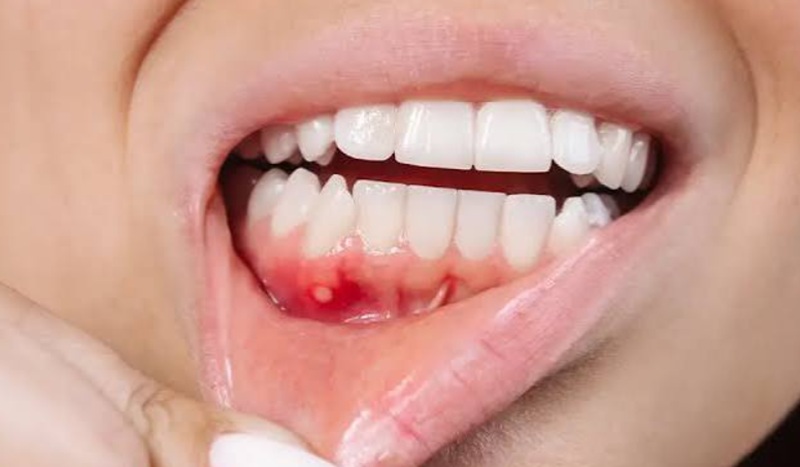
Sore Gums: Causes, How to Soothe Them, and When to See a Dentist
Sore gums are one of the most common reasons people call a dental practice, and most of the time the cause is something manageable. Tender, red, or slightly swollen gums can appear after a change in your brushing routine, during pregnancy, or when a bit of food gets stuck between your teeth. In other cases, soreness is an early sign that your gums need proper attention. This guide from the team at Aqua Dental Clinic in Hatch End explains what usually lies behind painful gums, how to ease the discomfort at home, and how to tell ordinary soreness apart from gum disease that needs treatment.
What Causes Sore Gums?
Gum soreness rarely has a single explanation. It helps to think about what changed in the days before the discomfort started, because that often points to the cause. The table below sets out the reasons we see most often in the surgery.
| Cause | What tends to happen |
|---|---|
| Gingivitis and gum disease | Plaque builds up along the gum line, leaving gums red, puffy, and prone to bleeding when you brush. This is the most common cause of ongoing soreness. |
| Brushing or flossing too hard | Scrubbing with heavy pressure can bruise and irritate the gum tissue rather than clean it. |
| A new toothbrush that is too firm | Medium and hard bristles can be abrasive on the gums, especially if you have switched from a softer brush. |
| Mouth ulcers | A single sore spot on or near the gum can feel painful for a week or so before it heals on its own. |
| Ill-fitting dentures | Dentures that rub or no longer sit correctly create pressure points and localised soreness. |
| Hormonal changes in pregnancy | Raised hormone levels make gums more sensitive and more likely to swell and bleed, sometimes called pregnancy gingivitis. |
| Food trapped between teeth | A trapped fragment, such as a piece of popcorn husk, can press on the gum and cause a sharp, localised ache. |
| Stress and smoking | Both can affect how well your gums cope with plaque and how quickly they recover, so soreness may linger. |
Working out which of these fits your situation is a useful first step. A short-lived ache after a hard brushing session is very different from gums that stay sore and bleed week after week.
How to Soothe Sore Gums at Home
If your gums are tender but you feel generally well, a few simple measures usually settle things within a week or two. None of these replace a dental check, but they give your gums the best chance to recover.
- Switch to a soft brush and ease off the pressure. Hold the brush gently, angle it towards the gum line, and let the bristles do the work rather than pushing hard. Small circular movements are kinder than vigorous scrubbing.
- Rinse with warm salt water. Dissolve half a teaspoon of salt in a cup of warm water and swill it around your mouth for around thirty seconds, once or twice a day. This can calm inflammation and keep the area clean.
- Keep flossing, gently. Sore gums can tempt you to skip cleaning between the teeth, but that lets plaque build up further. Guide the floss carefully rather than snapping it down against the gum.
- Avoid tobacco. Smoking slows gum healing and masks early warning signs, so cutting back or stopping helps your gums recover.
- Stay hydrated and mind sharp or very hot foods while the area is tender, as these can aggravate an already sore spot.
Give these steps a little time. If the soreness is linked to a firmer brush or an over-enthusiastic clean, you should notice a steady improvement rather than a sudden fix.
Temporary Soreness or Gum Disease?
The key question is whether the discomfort is easing or persisting. Temporary soreness has a clear trigger, stays in one area, and fades once that trigger is removed. Gum disease behaves differently. It tends to affect the gum line more widely, keeps coming back, and often brings bleeding when you brush, puffy or receding gums, and bad breath that does not shift.
Gingivitis is the early, reversible stage and responds well to better cleaning and a professional scale and polish. Left unchecked it can progress to periodontitis, which affects the bone supporting the teeth and needs more involved treatment. Because the early stage is easy to miss, it is worth learning the early signs of gum disease so you can act before it takes hold. If your gums bleed most times you brush, treat that as a prompt to book a check rather than something to wait out.
When to See a Dentist or Hygienist
Home care handles a lot, but some situations call for a professional assessment. Arrange to see a dentist or hygienist if any of the following apply:
- Soreness lasts longer than two weeks despite gentle brushing and salt water rinses.
- Your gums bleed regularly, look swollen, or are pulling away from the teeth.
- You have persistent bad breath or a bad taste that will not clear.
- A tooth feels loose, or a mouth ulcer has not healed within three weeks.
- You have swelling, pus, or a raised temperature, which need prompt attention.
A visit to the hygienist removes the hardened plaque that a toothbrush cannot reach and lets the team check the health of your gums properly. Our dental hygiene and gum treatment appointments are a straightforward way to get sore gums assessed and cleaned, with advice tailored to your routine.
Frequently Asked Questions
Why are my gums sore all of a sudden?
Sudden soreness often has a recent trigger, such as a firmer toothbrush, brushing harder than usual, food trapped between the teeth, or a mouth ulcer. If it settles within a week or two with gentle care, it is usually nothing serious. Soreness that persists or comes with bleeding is worth having checked.
Does salt water really help sore gums?
A warm salt water rinse can ease inflammation and help keep the area clean while your gums recover. It is a helpful supporting measure, not a cure, so use it alongside gentle brushing and flossing rather than in place of them.
Can sore gums heal on their own?
Mild soreness with a clear cause often settles by itself once that cause is removed, for example by switching to a soft brush. Soreness driven by plaque and gum disease will not resolve on its own and needs professional cleaning and care.
Are sore gums in pregnancy normal?
Tender, swollen gums are common in pregnancy because hormonal changes make the gums more reactive to plaque. Keeping up gentle, thorough cleaning and seeing a hygienist during pregnancy helps keep it under control. Mention that you are pregnant when you book.
Book an Assessment at Aqua Dental Clinic
If your gums have been sore for more than a couple of weeks, or they bleed when you brush, the team at Aqua Dental Clinic in Hatch End is here to help patients across Pinner, Harrow, and North West London. You can contact us to arrange a check, and if you are visiting for the first time our new patient appointments give your gums a thorough once-over with clear, practical advice.
Reviewed by the clinical team at Aqua Dental Clinic, Hatch End. This article is general information and does not replace a dental assessment. Persistent or worsening sore gums should be checked by a dentist.