



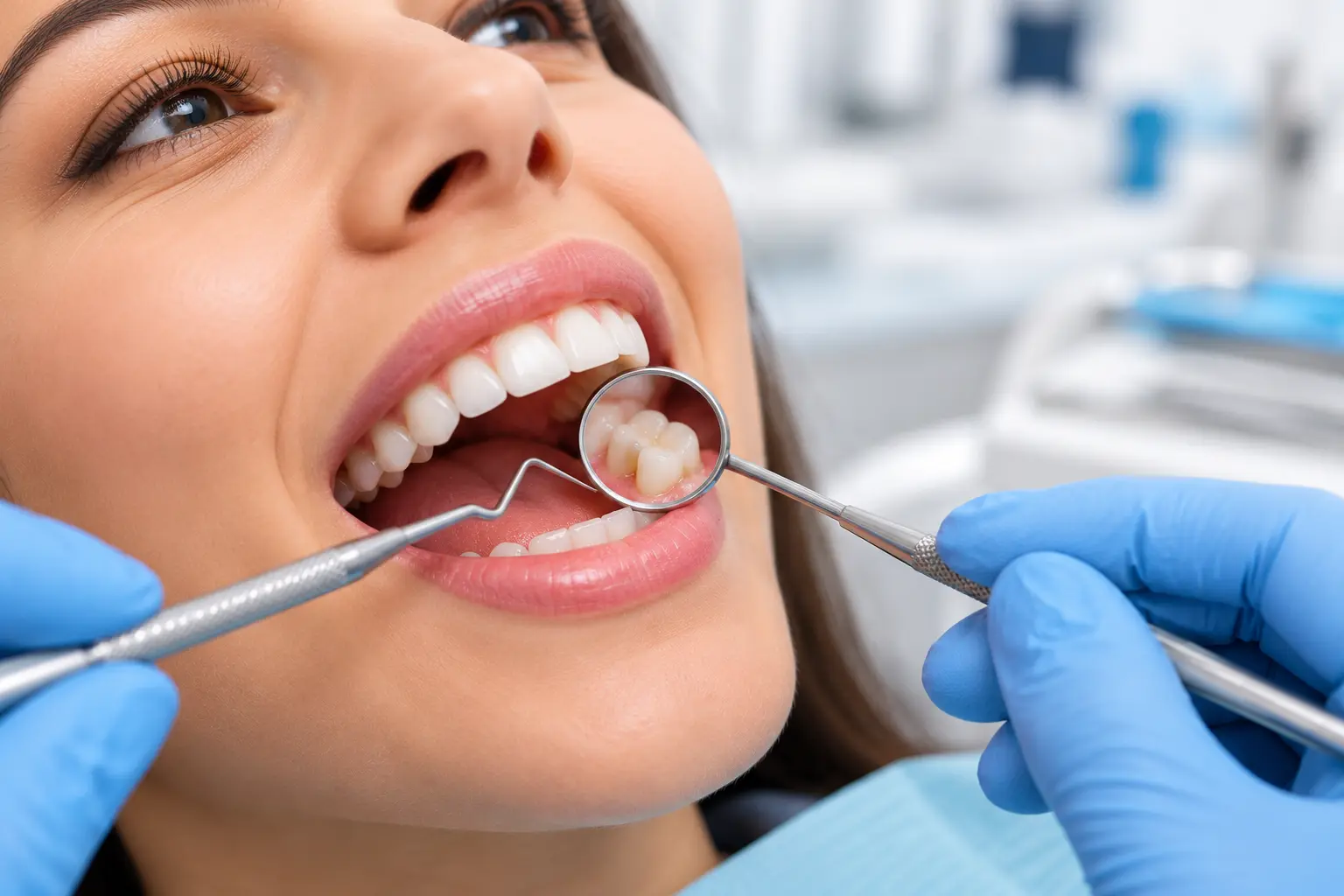
A dental filling can restore a tooth affected by decay, damage, or wear and help prevent the problem from progressing. Although fillings are designed to restore normal tooth function, taking care of your tooth after treatment is important for protecting the restoration and maintaining good oral health.
It is normal to experience some mild sensitivity or tenderness after a filling, particularly during the first few days. However, persistent pain, significant discomfort, or a filling that feels loose should be assessed by your dentist.
At Aqua Dental Clinic, we provide restorative dental care designed to restore damaged teeth while helping patients maintain healthy, functional smiles. With the right aftercare, you can help your filling remain comfortable and functional for many years.
What Is a Dental Filling?
A dental filling is used to repair a tooth that has been damaged by decay or, in some cases, minor fractures or wear.
During treatment, your dentist removes the affected tooth structure, cleans the area, and fills the cavity with a suitable restorative material. Tooth-coloured composite fillings are commonly used because they can be matched to the appearance of your natural teeth.
The purpose of a filling is to restore the tooth while preventing decay from progressing further.
What Should You Expect After a Dental Filling?
Most patients can return to their normal routine after having a filling, but you may notice some temporary changes.
Common experiences include:
- Mild tooth sensitivity
- Slight gum tenderness
- Sensitivity to hot or cold foods and drinks
- A different sensation when biting
- Mild discomfort around the treated tooth
These symptoms generally improve as the tooth settles.
If sensitivity becomes severe, continues to worsen, or does not improve, contact your dentist for an assessment.
When Can You Eat After a Dental Filling?
When you can eat after a filling depends partly on the type of filling material used and whether local anaesthetic was administered.
If your mouth is still numb, it is generally best to wait until normal sensation returns before eating. This reduces the risk of accidentally biting your cheek, lip, or tongue.
Once the numbness has worn off, you can generally eat normally unless your dentist gives you different instructions.
For the first day or so, you may find it more comfortable to avoid particularly hard, sticky, or very hot foods if the treated tooth feels sensitive.
What Foods Should You Eat After a Filling?
You do not usually need a special diet after a routine filling, but softer foods may be more comfortable if your tooth feels tender.
Suitable options may include:
- Pasta
- Soft rice
- Eggs
- Yoghurt
- Soup that is not excessively hot
- Soft vegetables
- Fish
- Oatmeal
- Smooth foods that require minimal chewing
Try to chew on the opposite side of your mouth if the treated tooth feels sensitive.
As your tooth settles, you should normally be able to return to your usual diet.
Foods to Avoid After a Dental Filling
For the first few hours, or for as long as your dentist recommends, it can be sensible to avoid foods that could irritate the treated tooth or put unnecessary pressure on the restoration.
These may include:
- Very hard foods
- Sticky sweets
- Chewy foods
- Ice
- Extremely hot foods
- Extremely cold foods
- Foods high in added sugar
You should also avoid biting hard objects such as pens, fingernails, or packaging, as these habits can damage both fillings and natural teeth.
Can You Brush Your Teeth After a Filling?
Yes. You should continue brushing your teeth after having a filling.
Maintaining good oral hygiene is essential because the tooth can still develop decay around the edges of a filling if plaque and bacteria are allowed to accumulate.
Brush twice a day using fluoride toothpaste and a soft-bristled toothbrush. Be gentle around the treated area if your gums are slightly tender.
Do not stop brushing the tooth simply because it has been filled. A filling repairs existing damage but does not make the tooth immune to future decay.
Can You Floss After a Dental Filling?
Yes. Cleaning between your teeth remains an important part of your oral hygiene routine.
You should floss or use an appropriate interdental cleaning aid every day to remove plaque and food particles from areas that a toothbrush cannot reach.
If floss catches around your new filling or feels unusually difficult to pass through, contact your dentist. This can sometimes indicate that the filling requires adjustment.
How Long Does Sensitivity Last After a Filling?
Mild sensitivity after a filling is relatively common.
You may notice sensitivity when consuming:
- Cold drinks
- Hot drinks
- Sweet foods
- Cold foods
- Foods that require chewing
For many patients, this sensitivity gradually settles.
However, you should contact your dentist if:
- Sensitivity is severe
- Pain is getting worse rather than better
- The tooth hurts when you bite
- Pain continues for an extended period
- You experience spontaneous or throbbing pain
- You develop swelling around the tooth
Persistent symptoms can sometimes indicate that the tooth requires further treatment.
Why Does My Tooth Hurt When I Bite After a Filling?
A tooth can sometimes feel uncomfortable when biting after a filling.
One possible reason is that the filling is slightly higher than your natural bite. This can cause the treated tooth to receive excessive pressure when you close your mouth or chew.
If your bite feels uneven or the tooth hurts every time you bite, contact your dentist. A simple adjustment may be enough to correct the problem.
Pain when biting can also have other causes, so professional assessment is important if the discomfort persists.
What If My Filling Feels Rough?
It is possible for a new filling to feel slightly different from your natural tooth at first.
Your tongue may notice the restoration before you become accustomed to it. However, if the filling continues to feel unusually rough, sharp, or uneven, it is worth mentioning this to your dentist.
Your dentist can check the restoration and polish or adjust it if necessary.
What If My Filling Falls Out?
If your filling falls out, contact your dentist as soon as possible.
Keep the area clean and avoid chewing on that side until you receive professional advice. Depending on the condition of the tooth, your dentist may be able to replace the filling.
If the tooth has become significantly weakened or damaged, a different restoration may be recommended.
For a tooth that has lost substantial structure, a dental crown may provide greater protection than another filling.
How Long Do Dental Fillings Last?
The lifespan of a filling varies depending on several factors, including:
- The type of filling material
- The size and location of the filling
- Your bite and chewing forces
- Oral hygiene
- Diet and lifestyle
- Teeth grinding or clenching
- The condition of the surrounding tooth structure
- Regular dental examinations
Fillings can last for many years when properly maintained, but they may eventually wear, crack, become damaged, or develop leakage around the edges.
Regular dental appointments allow your dentist to monitor existing fillings and identify potential problems early.
How Can You Make Your Filling Last Longer?
Good daily care can help protect your filling and the natural tooth around it.
We recommend:
- Brush twice daily with fluoride toothpaste.
- Clean between your teeth every day.
- Limit sugary foods and drinks.
- Avoid biting hard objects.
- Avoid chewing ice.
- Attend regular dental examinations.
- Attend hygiene appointments when recommended.
- Wear a night guard if your dentist recommends one for teeth grinding.
- Contact your dentist if you notice pain, sensitivity, or changes to the filling.
A filling is part of your tooth, but the surrounding natural tooth structure still needs ongoing protection.
Can You Get Decay Around a Filling?
Yes. A filling does not make a tooth permanently resistant to decay.
New decay can develop around the edges of a filling if plaque and bacteria accumulate. Over time, the seal between the filling and tooth can also change due to normal wear.
Good brushing, daily interdental cleaning, a balanced diet, and regular dental examinations can reduce your risk.
If decay develops around an existing filling, your dentist may recommend replacing the filling or considering another restoration depending on how much tooth structure remains.
What Happens If a Filling Needs Replacing?
If your dentist finds that a filling is worn, cracked, leaking, or affected by new decay, it may need to be replaced.
The process generally involves:
Examination
Your dentist examines the tooth and restoration and may take an X-ray if necessary.
Removal of the Old Filling
If replacement is required, the existing filling is carefully removed.
Treatment of Any Decay
Any new decay or damaged tooth structure is removed and the tooth is cleaned.
Placement of the New Restoration
A new filling or another suitable restoration is placed to restore the tooth.
Bite Check
Your dentist checks the restoration and makes any necessary adjustments to ensure your bite feels comfortable.
When Might You Need More Than a Filling?
Fillings are suitable for many cases of tooth decay and minor damage, but they are not appropriate for every situation.
If a tooth has lost a significant amount of its natural structure, a filling may not provide enough protection.
Depending on the condition of the tooth, your dentist may recommend a dental crown to protect and strengthen it.
If decay or damage has reached the inner part of the tooth, root canal treatment may be required to remove infection and preserve the natural tooth where possible.
If a tooth cannot be restored, your dentist can discuss suitable replacement options, including dental implants where appropriate.
Can You Whiten a Tooth with a Filling?
Teeth whitening changes the colour of natural tooth structure but does not whiten most existing fillings.
If you have visible tooth-coloured fillings and later whiten your natural teeth, the fillings may appear darker than the surrounding teeth.
If this happens, your dentist can assess whether replacing the filling with a new shade would provide a better cosmetic match.
For patients interested in improving the overall appearance of their smile, cosmetic dentistry offers several treatment options depending on your individual needs.
Is a Dental Filling Painful?
Modern dental fillings are generally comfortable for most patients.
If local anaesthetic is required, it numbs the treatment area so that you should not feel significant pain during the procedure. You may experience mild tenderness or sensitivity afterwards as the tooth settles.
If you experience severe or persistent pain following treatment, contact your dentist so the tooth can be assessed.
Why Choose Aqua Dental Clinic?
At Aqua Dental Clinic, we take a personalized approach to restorative dental treatment.
Our team assesses the condition of your tooth, identifies the cause of the problem, and recommends treatment based on your individual oral health needs.
We provide:
- Comprehensive dental examinations
- Tooth-coloured fillings
- Restorative dentistry
- Dental crowns
- Root canal treatment
- Preventive dental care
- Modern diagnostic technology
- Personalised treatment planning
- Ongoing oral health advice
Our aim is to restore damaged teeth while helping you maintain good oral health for the long term.
When Should You Contact Your Dentist After a Filling?
You should contact your dentist if you experience:
- Severe or worsening pain
- Persistent sensitivity
- Pain when biting
- A loose filling
- A filling that has fallen out
- A sharp or rough edge that does not settle
- Swelling around the tooth
- An unpleasant taste or smell
- Signs of infection
Prompt assessment can help identify whether the problem is related to the filling or the underlying tooth.
Protect Your Smile After a Dental Filling
A dental filling can restore a damaged tooth, but good aftercare is essential for protecting the restoration and preventing further decay.
Continue brushing and flossing regularly, maintain a balanced diet, avoid damaging habits, and attend routine dental examinations. If you notice persistent sensitivity, pain, or changes to your filling, arrange an appointment with your dentist.
At Aqua Dental Clinic, we can assess your tooth, monitor existing restorations, and provide personalised advice to help maintain your oral health.
Book a dental appointment with Aqua Dental Clinic today if you have concerns about a recent filling or would like to arrange a routine dental examination.
Frequently Asked Questions About Dental Filling Aftercare
Q: How long should I wait to eat after a dental filling?
A: If you have had local anaesthetic, wait until the numbness has completely worn off before eating to avoid accidentally biting your cheek, lip, or tongue. Your dentist may provide specific advice depending on the type of filling.
Q: Can I brush my teeth after a filling?
A: Yes. You should continue brushing twice daily with fluoride toothpaste. Be gentle if the gum around the treated tooth feels tender.
Q: Can I floss after getting a filling?
A: Yes. Daily flossing or interdental cleaning is important for removing plaque around the filled tooth and neighbouring teeth.
Q: Is sensitivity normal after a filling?
A: Mild sensitivity to hot, cold, or sweet foods can occur after a filling and often settles as the tooth adjusts. Severe, worsening, or persistent sensitivity should be assessed by your dentist.
Q: Why does my filled tooth hurt when I bite?
A: Your filling may be slightly higher than your natural bite, causing extra pressure when you chew. Your dentist can check the bite and make an adjustment if necessary. Persistent pain can also have other causes and should be assessed.
Q: What should I avoid after a dental filling?
A: While your tooth is settling, avoid very hard, sticky, or extremely hot or cold foods if they cause discomfort. You should also avoid biting hard objects such as ice or pens.
Q: What should I do if my filling falls out?
A: Contact your dentist as soon as possible. Keep the area clean, avoid chewing on the affected side, and follow your dentist’s advice until the tooth can be assessed.
Q: How long do dental fillings last?
A: Fillings can last for many years, but their lifespan depends on the material used, the size and location of the restoration, your bite, oral hygiene, diet, and general dental health.
Q: Can a filling get cavities around it?
A: Yes. New decay can develop around the edges of an existing filling. Good oral hygiene and regular dental examinations can help identify and prevent problems early.
Q: Can a filling be replaced?
A: Yes. If a filling becomes worn, damaged, loose, or affected by decay, your dentist can assess whether it should be replaced or whether another restoration would provide better protection.
Q: When do I need a crown instead of a filling?
A: If a tooth has lost a significant amount of its natural structure, a crown may provide greater protection than a filling. Your dentist will assess the condition of the tooth before recommending treatment.