
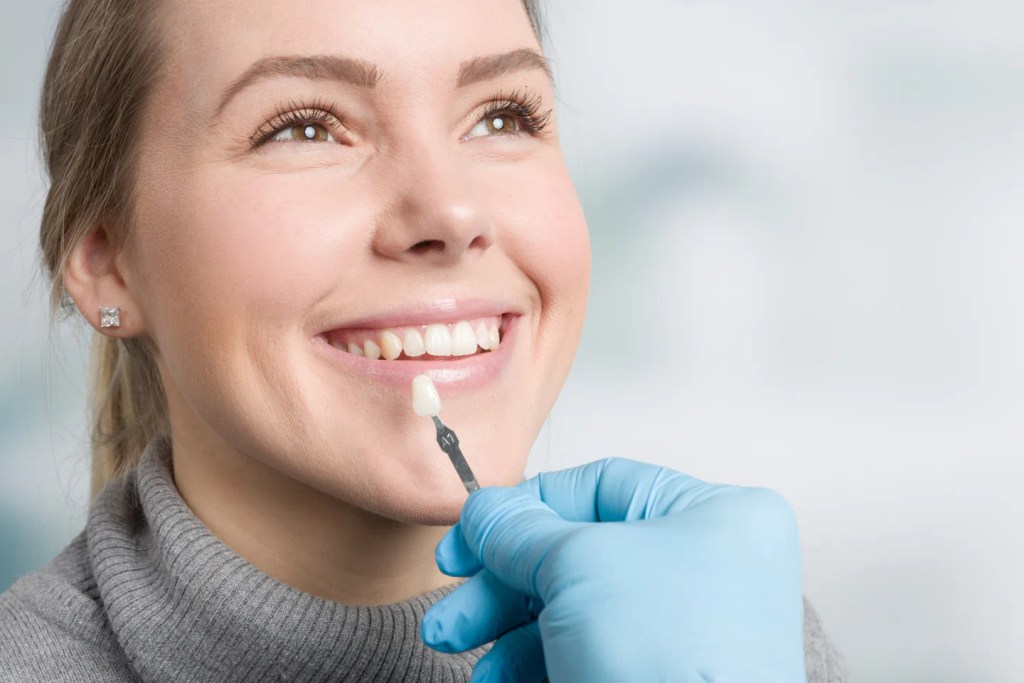
A smile makeover isn’t one procedure, it’s a plan. It combines whichever cosmetic and restorative treatments your teeth actually need, whitening, veneers, bonding, straightening or restorative work, into a single sequence designed around how your finished smile should look and function.
That distinction matters because it changes how the process starts. Instead of picking a treatment off a list, you start with an assessment of your teeth, gums and bite, and the plan gets built from there rather than the other way round.
This page covers what a smile makeover actually involves, which treatments commonly form part of one, how the process runs from consultation to finished result, and what it costs.
A smile makeover is a personalised treatment plan that combines two or more cosmetic or restorative dental procedures to improve how your teeth look, and often how they function, at the same time. It isn’t a single fixed product. The treatments involved for one patient might be entirely different from another, depending on what their teeth actually need.
Common reasons people start one include discoloured or worn teeth, gaps or crowding, chipped or uneven edges, old fillings or crowns that no longer match, or simply teeth that have changed shape and colour over years of wear. A smile makeover addresses whichever of these apply to you specifically, rather than treating every case the same way.
Most smile makeovers draw from the following treatments, used alone or in combination depending on your assessment.
Porcelain veneers reshape and recolour the visible surface of teeth that are chipped, discoloured or uneven, and are often the main structural component of a more extensive makeover.
Composite bonding repairs chips, gaps and minor shape issues in a single visit using tooth coloured resin, and is frequently used for smaller corrections or as part of a mini makeover.
Teeth whitening brightens the natural or existing shade of your teeth and is commonly the first step in a makeover, since other treatments are shade matched to the whitened result.
Dental crowns rebuild teeth that are heavily worn, cracked or previously root treated, restoring both strength and appearance where a veneer alone wouldn’t be enough.
Dental implants replace missing teeth as part of a makeover where gaps are affecting both appearance and bite function.
Invisalign straightens crowding, gaps or bite irregularities before cosmetic work begins, since aligning teeth first often means less veneer or bonding work is needed afterward.
Gum contouring reshapes an uneven or overly prominent gum line, which can be the missing piece in cases where the teeth themselves look fine but the gum line is throwing off the overall smile.


Most people considering a smile makeover are, but the right starting point is healthy teeth and gums. Active decay or gum disease needs treating first, since cosmetic work isn’t a substitute for a stable, healthy mouth underneath it.
Beyond that, candidacy comes down to what you want to change and how realistic that is given your current teeth. Some corrections, like whitening or minor bonding, are quick and low commitment. Others, like a full veneer and implant combination, are a bigger undertaking. Your consultation is where we work out which end of that scale your case sits at, and we’ll tell you honestly if a smaller, simpler plan would get you a similar result to a more extensive one.
1. Consultation and assessment. We examine your teeth, gums and bite, and talk through what you’d like to change about your smile.
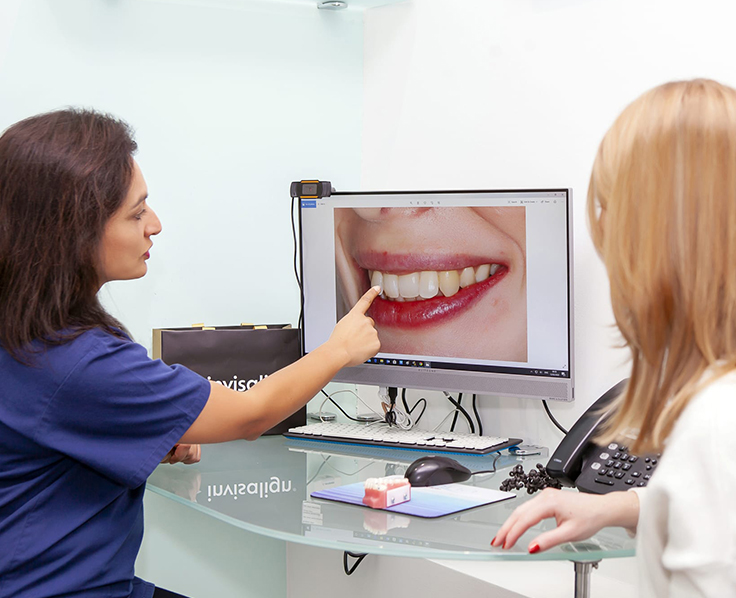
2. Digital smile planning. Photographs and imaging software let us map out a proposed result before any treatment starts, so you can see the plan rather than just hear it described.
3. Preparation and any foundational work. Whitening, straightening or restorative treatment happens first where needed, since cosmetic work is planned around the finished shade and alignment.
4. Provisional teeth and trial period. For veneer heavy cases, temporary teeth let you and the team assess the look and feel before anything permanent is made.
5. Final treatment. Your chosen treatments are completed, often finishing with veneers or bonding hand finished to match the agreed plan.
The overall timeline depends entirely on which treatments are involved. A whitening and bonding plan can be finished in a couple of visits, while a plan involving Invisalign, implants and veneers together can take several months from first consultation to finished result.
Not every smile makeover needs to be extensive. A mini smile makeover usually focuses on the teeth that show most when you smile, often the front six to eight, using whitening and composite bonding to make quick, lower cost improvements in one or two visits.
A full smile makeover takes in more of the mouth and may combine straightening, veneers, crowns or implants alongside whitening and bonding, addressing structural or functional issues as well as appearance. Neither option is automatically the right one. Which you need depends on how much your current teeth actually require, and that’s exactly what your consultation is for.
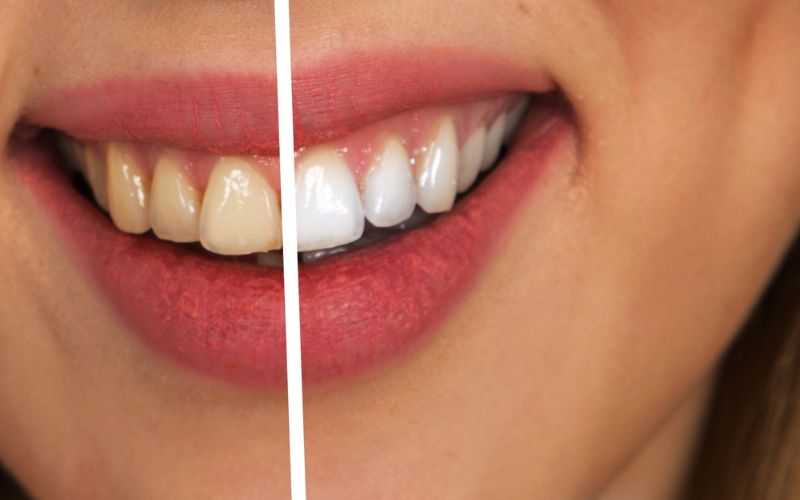

Simple plans built around whitening and bonding are often completed within two to three weeks. Plans that include Invisalign typically add several months for the straightening phase before cosmetic work begins. Plans involving dental implants take longest, since implants need a healing period before the final restoration is fitted, often three to six months depending on the case.
We’ll give you a realistic timeline specific to your plan at consultation rather than a generic estimate, since the treatments involved vary so much between patients.
Whatever combination of treatments your makeover involves, the same basics protect the result afterward. Brushing twice daily and flossing keep both natural teeth and any veneers, bonding or crowns in good condition. Regular check ups let us catch and address any wear or damage early, before it affects the appearance of your smile. If your plan included whitening, avoiding heavy staining foods and drinks in the days after treatment helps the result last, and periodic top up whitening keeps the shade consistent over time.
Because a smile makeover is a combination of treatments rather than one fixed procedure, the total cost depends entirely on which treatments your plan includes. As a guide, our fee guide lists veneers from £1,000 per unit, composite bonding from £250, professional whitening from £425, crowns from £850, dental implants from £3,000 per unit, and Invisalign from £3,695. A smile makeover consultation is £150 and is where we build a plan and give you an accurate total for your specific case. Our payment plans and membership plans may apply, and full pricing across all our treatments is listed on our fee guide page.
A smile makeover only works well when the plan is built around what your teeth actually need, not around a fixed package. We assess your whole mouth, teeth, gums and bite, before recommending which treatments belong in your plan, and we’re upfront if a smaller, simpler approach would get you a comparable result to a more extensive one.
If dental anxiety is part of what’s holding you back, our nervous patients page explains how we handle that. New to the practice? Our new patients page walks through what your first visit looks like, and meet the team if you’d like to know who you’ll be seeing.
A smile makeover is a personalised plan that combines two or more cosmetic or restorative dental treatments, such as veneers, whitening, bonding or implants, to improve how your teeth look and function, built around what your specific teeth need.
It depends entirely on which treatments your plan includes. Individual treatment prices start from £250 for composite bonding up to £3,695 for Invisalign, and your consultation gives you an accurate total for your case.
Simple whitening and bonding plans can be finished in two to three weeks. Plans involving Invisalign or dental implants take longer, often several months, since straightening and implant healing both need time.
Most of the treatments involved, whitening, bonding and veneers, involve little to no discomfort. Treatments like implants use local anaesthetic, and we’ll talk you through what to expect for whichever treatments are in your specific plan.
A mini smile makeover typically uses whitening and bonding on the teeth that show most when you smile, completed quickly. A full smile makeover can involve straightening, veneers, crowns or implants and takes longer, addressing more extensive changes.
Yes. Active decay or gum disease needs treating first, since a smile makeover is cosmetic and restorative work built on top of a healthy foundation, not a substitute for treating existing problems.
Yes, with proper care. Veneers, crowns and bonding are durable with normal brushing, flossing and regular check ups, and whitening results can be maintained with occasional top ups.
Yes. Dental implants can replace missing teeth as part of a wider makeover plan, restoring both appearance and function alongside any cosmetic treatments you’re having.