

Invisalign has grown well beyond the mild, cosmetic cases it started with. Modern Invisalign systems, backed by tools like attachments and precision cuts in the aligner edge, now handle a wide range of misalignment, from a couple of crowded front teeth to more complex bite issues.
That doesn’t mean every case is a fit. Some movements still need traditional braces, and knowing where that line sits matters more than a generic “Invisalign can fix anything” claim would suggest. This page walks through the specific issues Invisalign treats, so you have a realistic picture before your consultation confirms what applies to your teeth.
Invisalign moves teeth using a series of custom-made clear aligners, each one nudging your teeth slightly closer to their final position before you move on to the next in the series. For more complex movements, small tooth-coloured attachments bonded to specific teeth give the aligner extra grip to rotate or tip a tooth in ways a plain aligner shell couldn’t manage on its own.
This is why case complexity varies so much even within Invisalign as a single brand: a mild case might need a dozen aligners and no attachments at all, while a more involved case could need forty or more aligners plus a handful of attachments to get the same predictable result.
Crowding happens when there isn’t enough space in the jaw for all your teeth to sit straight, so they overlap, rotate, or push forward and back. Invisalign treats crowding by gradually creating space, sometimes through slight expansion, sometimes through minor reshaping between teeth, then guiding each tooth into its new position.
Mild crowding is one of the most straightforward cases for Invisalign and often falls within the scope of a shorter, Lite-style treatment. More significant crowding usually needs the full aligner system with a longer treatment timeline.
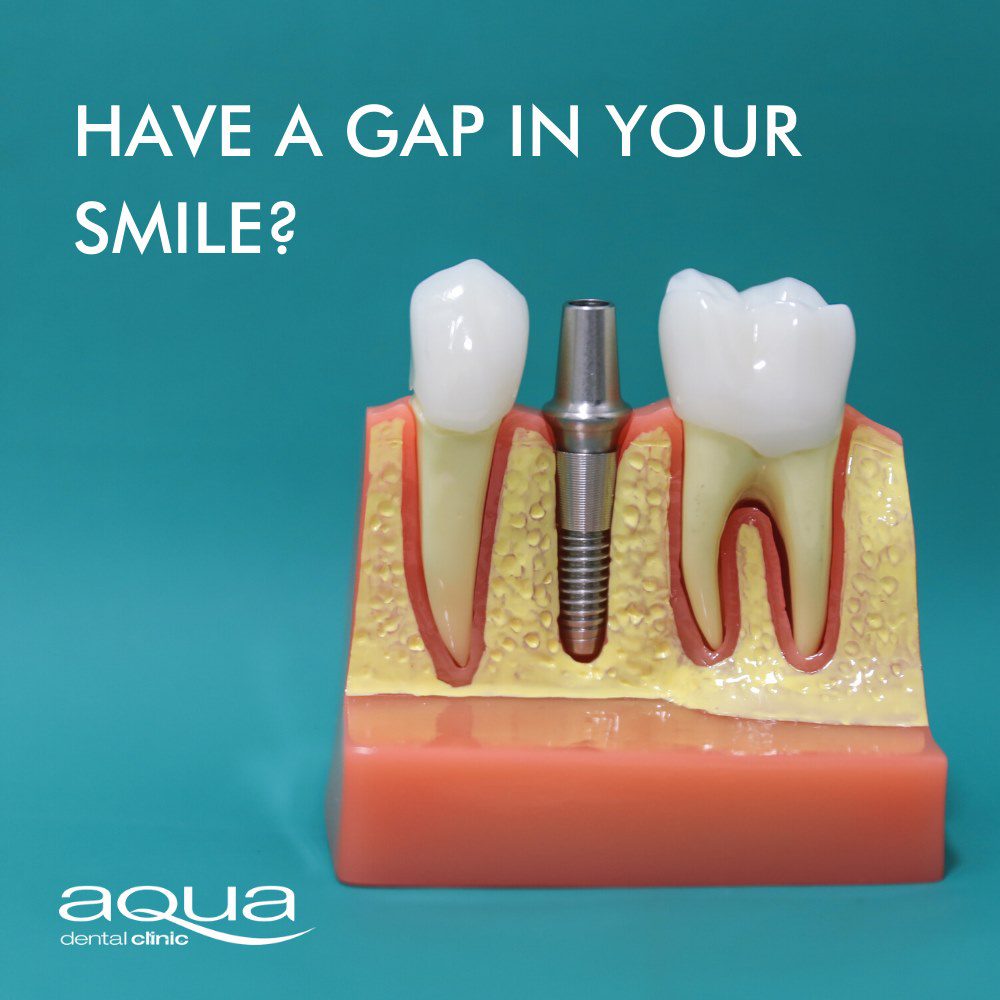
Gaps between teeth, whether it’s one noticeable space at the front or spacing spread across your smile, are one of the more predictable issues Invisalign closes. The aligners gradually move the surrounding teeth together, closing the gap in a controlled, even way rather than all at once.
An overbite is when your upper front teeth extend noticeably further forward than your lower ones. Left significant and untreated, it can wear down teeth unevenly and contribute to jaw discomfort over time. Invisalign can correct mild to moderate overbites, often using specific attachments designed to guide the bite into better alignment as the aligners work through their series. More severe overbites, particularly ones involving the jawbone itself rather than just tooth position, sometimes need a different approach, which your consultation and scan will confirm.
An underbite is the reverse: the lower front teeth sit further forward than the upper ones. Mild underbites, where the issue is tooth position rather than jaw structure, are within Invisalign’s scope. More pronounced underbites tied to jaw growth or structure typically need orthodontic treatment alongside, or instead of, aligners.
A crossbite happens when some upper teeth sit inside the lower teeth instead of outside them, on one or both sides of the mouth. Left untreated, it can cause uneven wear and, in some cases, jaw discomfort from the bite forcing itself into an unnatural position. Invisalign treats many crossbite cases effectively, moving the affected teeth back into their correct relationship with the opposing arch.
An open bite is a gap between the upper and lower front teeth that stays visible even when your back teeth are fully together, often from habits like prolonged thumb-sucking or tongue positioning. Invisalign can close many open bite cases, particularly when the cause is tooth position rather than a skeletal jaw discrepancy that would need surgical correction.
Not sure which category your case falls into? That’s exactly what your consultation and scan are for.

Not every case fits neatly into a category, and that’s normal. Significant jaw discrepancies, certain complex rotations, or teeth that are severely tipped sometimes need a combination of approaches, or a referral for orthodontic treatment better suited to the specific movement required. We’ll always tell you honestly if we think a different treatment route would serve you better than pushing an Invisalign case that’s not a natural fit.
Been told before that your case is too complex for aligners? It’s worth a second look with an up-to-date scan before ruling it out.
An iTero digital scan is what actually determines your treatment plan, not a general description of your teeth. The scan maps your bite and tooth positions precisely, which is how we can show you a projected outcome and confirm realistically what Invisalign can achieve for your specific case before you commit to anything.
Cost depends on how many aligners your case needs and whether it falls within Lite or Full scope, confirmed at your consultation and scan. Our Invisalign cost page has the full breakdown across Lite, Full and Teen, and our payment plans and membership plans pages cover the finance options available.
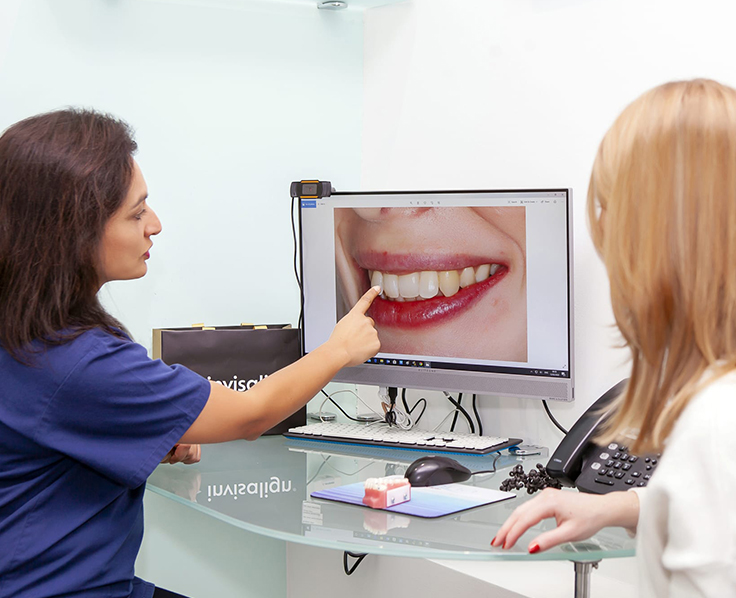
Getting an honest answer about whether Invisalign fits your case starts with a proper scan, not a guess based on a quick look. We plan every case on that basis, so you know realistically what to expect before starting rather than partway through. You can see the technology behind that planning on our technology page.
If dental anxiety is part of what’s holding you back, our nervous patients page explains how we handle that. New to the practice? Our new patients page walks through what your first visit looks like, and our main Invisalign page has the full detail on timelines and what treatment involves day to day.
Yes. Mild crowding is one of the more straightforward cases Invisalign treats, often within a shorter Lite-style treatment. More significant crowding needs the full aligner system.
Yes, gaps are one of the more predictable issues Invisalign addresses, closing them gradually and evenly across the treatment.
Mild to moderate cases of both are within Invisalign’s scope, often using attachments to guide the bite correction. More severe cases tied to jaw structure sometimes need a different or additional approach.
Many crossbite cases respond well to Invisalign, moving the affected teeth back into correct alignment with the opposing arch.
The only way to know for certain is a consultation and iTero scan, which map your exact bite and tooth positions and confirm what’s realistically achievable.
We’ll tell you honestly if that’s the case and talk through the alternative that would actually serve you better, rather than fitting you into a treatment that’s not a natural match.
No. Simpler cases often need no attachments at all. More complex movements typically use small tooth-coloured attachments to give the aligner extra grip for specific rotations or tipping.
It depends on how many aligners your case needs and whether it falls within Lite or Full scope, confirmed at your consultation.