



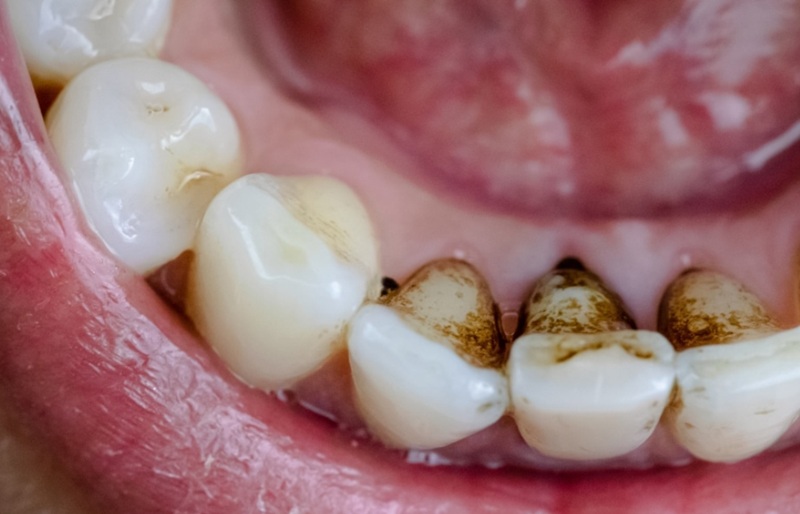
Stained teeth are one of the most common reasons people ask us about their smile at our Hatch End practice. The good news is that many marks on the tooth surface lift with the right care. The important part is knowing which kind of stain you have, because that decides whether a change of habit, a hygienist visit, or professional treatment is the answer. Trying to scrub away every mark at home can do more harm than good, so it helps to understand what is actually happening on and inside your teeth.
The two types of tooth stains
Dentists split discolouration into two groups, and they behave very differently.
Extrinsic stains sit on the outside of the enamel. They build up from things you eat, drink, and do every day. Coffee, tea, red wine, dark berries, curry sauces, and tobacco all leave coloured pigments that cling to the surface film on your teeth. These surface stains are the type that respond best to cleaning and are the easiest to shift.
Intrinsic stains come from inside the tooth, within the layer called dentine. Because they are under the enamel rather than on top of it, no amount of brushing will reach them. Common causes include natural ageing, an injury or trauma to a tooth, certain medicines such as tetracycline taken in childhood, and fluorosis from too much fluoride while teeth were forming. Intrinsic stains often look grey, brown, or deep yellow, and they need a different approach.
| Feature | Extrinsic (surface) | Intrinsic (deep) |
|---|---|---|
| Where it sits | On the enamel surface | Inside the dentine |
| Typical causes | Coffee, tea, red wine, smoking, dark foods | Ageing, trauma, some medicines, fluorosis |
| Usual colour | Yellow to brown film | Grey, deep brown, or dark yellow |
| What helps | Brushing, hygienist clean, Airflow | Whitening, bonding, or veneers |
What actually works at home
For everyday surface stains, the basics matter more than any gadget. Brush twice a day for two minutes with a fluoride toothpaste, clean between your teeth daily, and rinse with water after coffee, tea, or wine. A whitening toothpaste can help keep new surface stains in check because it contains a mild polishing agent, though it will not change the natural shade of your teeth. Cutting down on staining drinks, or sipping them through a straw, makes a real difference over time.
Some habits also help protect enamel so stains have less to grab onto. Wait about an hour after acidic food or drink before brushing, so you are not scrubbing softened enamel. Swap sugary fizzy drinks for water where you can.
Myths and methods to avoid
Plenty of home remedies promise a whiter smile, and several of them can damage your teeth. Charcoal toothpastes and powders are abrasive and can wear away enamel with repeated use, which leaves teeth looking more yellow because the darker dentine shows through. DIY acids are just as risky. Rubbing lemon juice, vinegar, or a paste of baking soda onto your teeth strips the enamel over time. Once enamel is gone it does not grow back, so these shortcuts often make discolouration worse rather than better.
- Avoid charcoal toothpaste and abrasive powders.
- Do not use lemon, vinegar, or other acids on your teeth.
- Skip homemade baking soda scrubs used daily.
- Be wary of cheap online whitening kits with unknown ingredients.
If a product claims to remove deep stains overnight, treat that as a warning sign rather than a promise.
The role of a hygienist clean
For surface stains that brushing cannot shift, a professional clean is the safest and most effective step. During a hygienist appointment we remove hardened plaque and lift stubborn coffee and tobacco marks. Airflow stain removal uses a fine spray of water, air, and powder to polish away staining without damaging enamel, and it reaches areas a toothbrush misses. At Aqua Dental Clinic our Airflow stain removal starts from £35, and hygiene appointments range from £79 to £158 depending on what you need. Many patients are surprised how much brighter their teeth look after a single visit.
Professional whitening for deeper discolouration
When the colour change goes beyond the surface, whitening is the treatment that works. Professional whitening uses a controlled peroxide gel to lighten the shade of the tooth from within, which is something no toothpaste can do. It is well suited to general yellowing and age-related darkening. We offer a professional home whitening kit at £425, and Enlighten Premium whitening at £650 for people who want a brighter, more predictable result. You can read more about our options for teeth whitening and about how long professional whitening lasts before you decide.
Whitening only works on natural tooth tissue, so it will not change the colour of crowns, fillings, or veneers. A dentist will check your teeth first to make sure whitening is suitable and to set realistic expectations for the shade you can reach.
When a stain will not whiten
Some intrinsic stains do not respond to whitening at all. A tooth that has darkened after trauma, banding from tetracycline, or patches of fluorosis may stay visible even after a full course of gel. In these cases we look at masking the stain rather than bleaching it. Composite bonding covers a discoloured tooth with a tooth-coloured resin, while porcelain veneers offer a longer-lasting cover for more noticeable marks. The right choice depends on how many teeth are affected and the result you are hoping for, which is something we discuss at an assessment.
Frequently asked questions
Can I remove brown stains from my teeth at home?
Light brown surface stains from coffee, tea, or smoking often fade with good brushing and a whitening toothpaste, but set-in brown stains usually need a hygienist clean or professional whitening. Brown marks that appear in one spot can signal decay, so it is worth having them checked.
Does baking soda whiten teeth safely?
Baking soda is abrasive, and daily use can wear down enamel and expose the darker layer underneath. It is not a safe long-term whitening method, so we recommend a professional clean or supervised whitening instead.
Why are my teeth still yellow after brushing?
If brushing does not change the colour, the shade is likely coming from inside the tooth rather than the surface. Natural dentine yellows with age, and this type of discolouration responds to professional whitening rather than cleaning alone.
Will teeth whitening remove all my stains?
Whitening lightens natural tooth tissue and works well on general yellowing, but it cannot lift every stain. Deep stains from trauma or certain medicines may need bonding or veneers, which we can advise on at an appointment.
Book an assessment at Aqua Dental Clinic
If stained teeth are holding back your smile, the first step is finding out which type of stain you have. Our team in Hatch End can check your teeth, remove surface marks, and talk you through whitening or bonding where it suits you. Get in touch through our contact page, or if you are new to the practice you can register through our new patients page. A short assessment will tell you exactly what your teeth need.
Reviewed by the clinical team at Aqua Dental Clinic, Hatch End. This article is general information, not a substitute for a dental assessment.