

Losing most or all of the teeth in one jaw doesn’t mean a lifetime of dentures. All-on-4 uses four implants, positioned at specific angles, to support a complete fixed arch of new teeth often in a single day. No plate covering your palate, nothing that needs to come out at night, nothing sliding around when you eat.
It’s not the right treatment for everyone, and we’ll get to that. But for people who’ve been told they don’t have enough bone for “normal” implants, or who are tired of adhesive creams and loose dentures, it’s usually the option worth asking about first.
The name is literally the method: four implants per jaw, holding up one full arch of teeth. Two implants go in vertically toward the front of the jaw, where bone tends to be denser. The other two are placed further back but tilted at an angle, usually somewhere around 30 to 45 degrees, which lets them reach into stronger bone while avoiding the sinus cavities (top jaw) or nerve canal (bottom jaw).
That angling is the whole trick, really. It’s why All-on-4 patients often skip the bone grafting that traditional implant treatment would otherwise require. Fewer implants, angled to use the bone you actually have, holding up a full prosthetic arch that’s fixed in place rather than removable.
The technique isn’t new, either; it was developed in Portugal in the late 1990s by Dr Paulo Malo and has been refined for over two decades since. This isn’t an untested trend; it’s a well-documented approach with a long track record in implant dentistry.
All-on-4 tends to suit people who:
It’s less suitable if you only need to replace one or two teeth; that’s a job for a single implant or a bridge, not a full-arch rebuild. And if your bone loss is severe even by All-on-4’s more forgiving standards, you might need a zygomatic implant approach instead, which anchors into the cheekbone. We’d talk you through that at a consultation rather than guessing here.
The only way to know for certain is a proper assessment, a 3D scan of your jaw, a look at your gum and bone health, and a conversation about what you actually want out of the result.
1. Consultation and planning. A CT scan maps your jawbone in three dimensions, which is how the implant positions and angles get planned before anyone picks up a drill. This is also where you’ll find out honestly whether All-on-4 is right for you, or whether a different approach makes more sense.
2. Any preparation needed. Sometimes there’s nothing to do beforehand. Sometimes a tooth extraction or two is needed first, if you’ve still got failing teeth in the arch being treated.
3. Surgery day. The four implants are placed under local anaesthetic (sedation is available if you’d rather not be fully aware of what’s happening, and plenty of people wouldn’t). In many cases, a temporary fixed bridge is fitted the same day, which is where the “teeth in a day” phrase comes from.
4. Healing. Implants need time to fuse with the bone in a process called osseointegration. This generally takes a few months, during which you’re wearing that temporary bridge rather than going without teeth.
5. Final restoration. Once healing is confirmed, your temporary bridge is swapped for the final one, custom-made to fit your bite, your face shape, and how you actually want your smile to look.

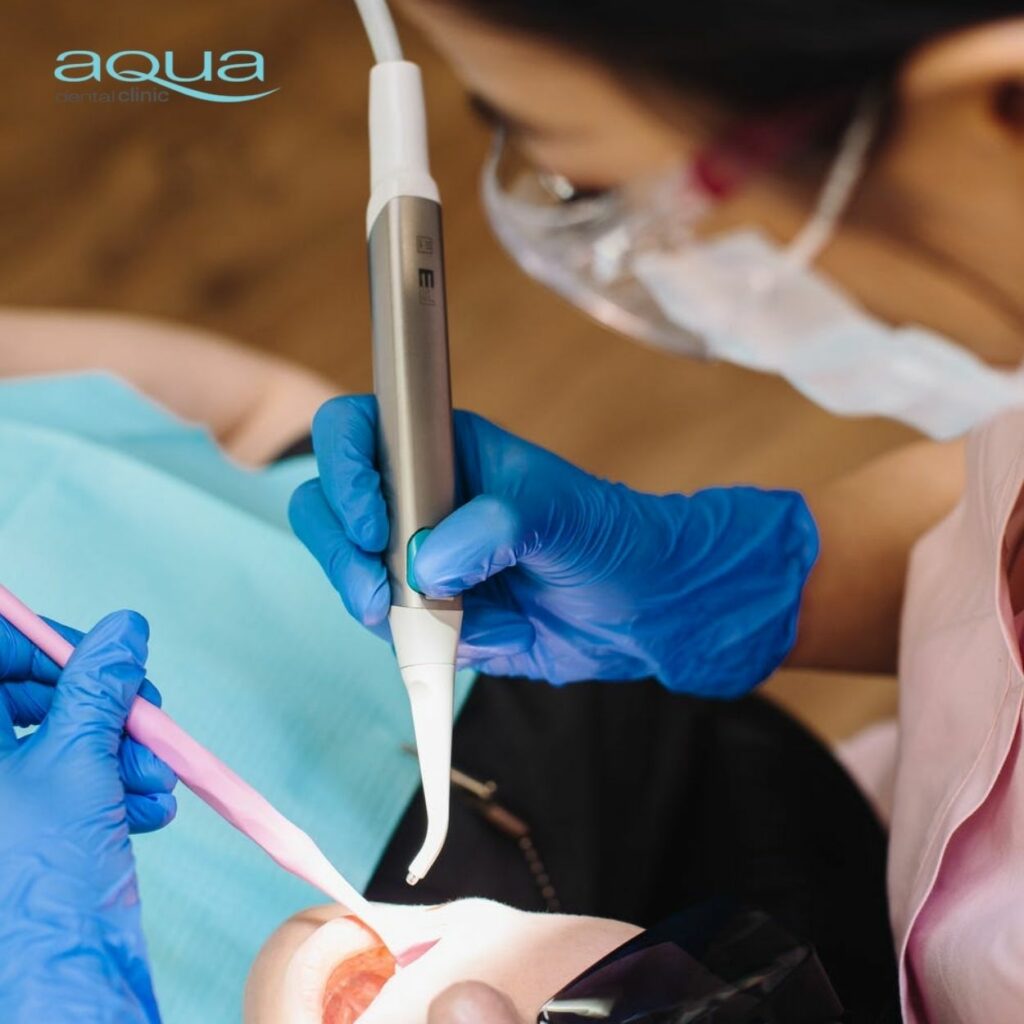
It’s true, but it needs a caveat that not every clinic bothers adding: the teeth you get on day one are temporary. They’re fixed in your mouth, they look like teeth, you can eat with them (carefully, and mostly soft foods at first) but they’re not the final result. The permanent bridge comes later, after the implants have properly integrated with your bone. Anyone who tells you the same-day teeth are the finished product either doesn’t understand the process or isn’t being straight with you.
Dentures aren’t a bad option for everyone, they’re less invasive and considerably cheaper upfront. But the bone loss that continues underneath a denture, year after year, is the part people don’t find out about until later. All-on-4 implants stimulate the jawbone the way natural tooth roots do, which is a meaningful long-term difference, not just a comfort upgrade.
All-on-4 is fixed in place, while dentures are removable. All-on-4 stimulates the bone and helps prevent further loss, while bone continues to shrink under dentures over time. Chewing strength is close to natural teeth with All-on-4, but significantly reduced with dentures. Day to day, All-on-4 is brushed and flossed like natural teeth, while dentures need removing, cleaning, and soaking overnight, and dentures can shift or click where All-on-4 stays fully secured.
The other full-arch option is placing 6 to 8 (sometimes more) individual implants across the jaw. It can offer excellent long-term results and is sometimes the better clinical choice, more implants spreading the load can mean a stronger long-term foundation for some patients. But it usually requires more bone volume, more implants, more surgical time, and a higher cost. All-on-4 was developed specifically to make full-arch replacement possible without needing that much bone to begin with.
Which one’s right for you comes down to your bone density, your budget, and what your dentist finds on the scan, not a blanket rule either way.

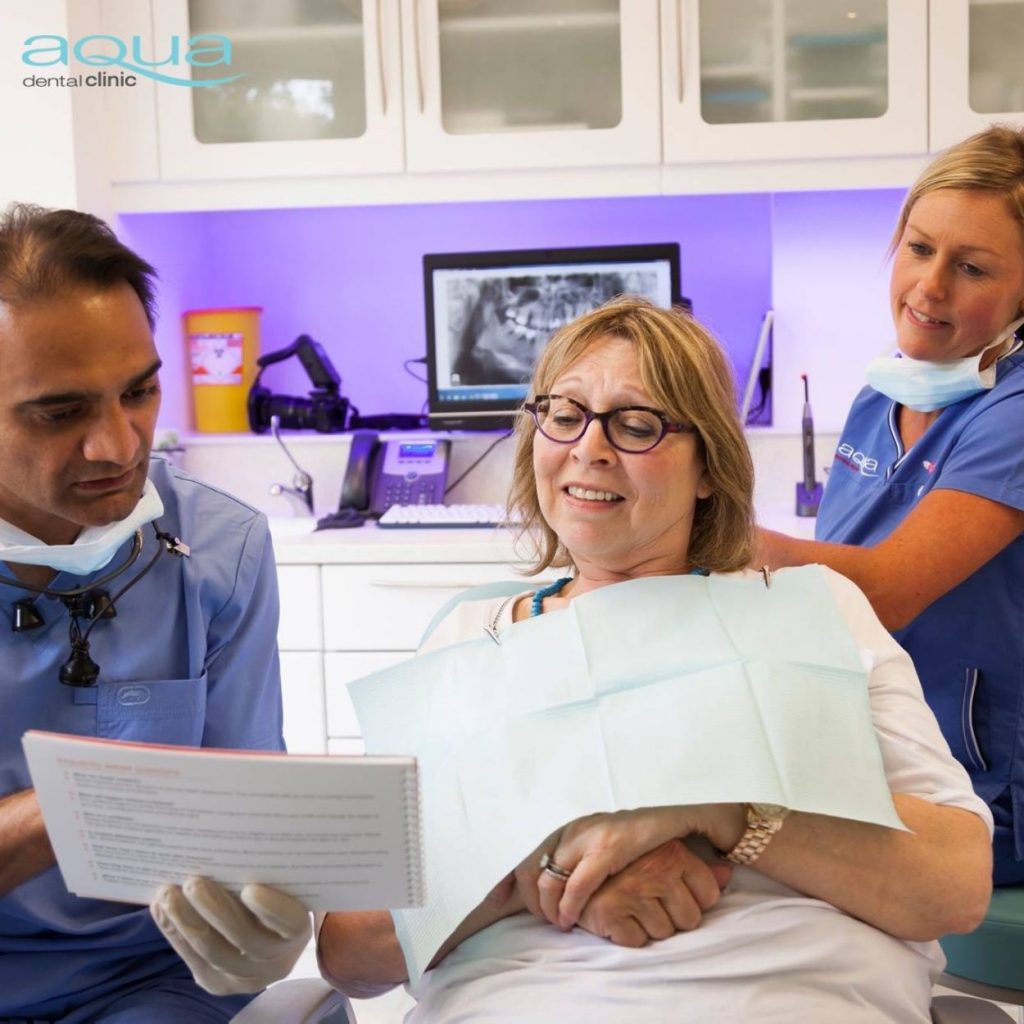
The first few days involve some swelling and tenderness, which is manageable with the usual painkillers and a bit of common sense about food, soft, cool, nothing that requires much chewing. Most people are back to normal daily activities within a few days, though we’d suggest taking it easier for a week or two if your job or lifestyle is physically demanding.
Long-term, All-on-4 implants need the same basic care as natural teeth: brushing, cleaning around the bridge, and regular check-ups so any issues get caught early rather than late. Skipping check-ups is the single most common way people end up with preventable problems years down the line.
The implants themselves, the titanium posts in the bone, can last decades, often a lifetime, with proper care. The bridge sitting on top of them is a different story; it’s subject to normal wear and will typically need replacing or relining at some point, usually somewhere in the region of 10 to 15 years, depending on the material used and how it’s looked after. Anyone who tells you a fixed bridge will never need attention again is overselling it.
Prices across the UK vary a fair amount depending on the clinic, the materials used for the final bridge, and whether any additional procedures (like extractions) are needed alongside the implant surgery. Because of that spread, we’d rather give you an honest range than a made-up “from” price designed to look impressive in a Google ad.
As a rough guide, full-arch All-on-4 treatment in the UK typically runs from around £4,000 up toward £15,000+ per jaw, with the difference mostly coming down to the type of bridge material (acrylic, composite, or zirconia) and the complexity of your individual case. See our current dental fees and ask about our payment plans. The only way to get an accurate figure is to get assessed. A price built around your actual scan beats any generic number a website throws out, including this one.
Every implant page will tell you the upsides. Fewer will tell you this part, so here it is plainly:
None of this makes All-on-4 a bad choice. It makes it a choice worth making with full information, which is really the point of this page.

We’re not going to pretend every implant clinic is the same, because they’re not, training, technology, and how much time a dentist actually spends with you before surgery all differ more than people expect. What we can tell you is what matters to us: a proper 3D-planned assessment before any treatment decision gets made, a team who’ll tell you if All-on-4 isn’t the right fit for your case, and support through the whole process rather than just the surgery day.
Take a look at our smile gallery and patient testimonials, meet the team, or read more about the technology we use for implant planning. If dental anxiety is part of what’s held you back from implants until now, we also offer support for nervous patients, you’re far from the only one who feels that way.
You’ll be numb during surgery, and sedation is available if you’d prefer it. Afterward, expect swelling and tenderness for a few days, similar to a tooth extraction, manageable with standard painkillers. It’s not pain-free, but it’s not the ordeal some people imagine either.
A temporary fixed bridge, yes, often on the same day as surgery. The final, permanent bridge comes later, once the implants have fully integrated with the bone, usually a few months on. Same-day teeth are real; same-day final result isn’t.
All-on-4 already needs less bone than traditional implants, but if there genuinely isn’t enough even for that, a zygomatic implant approach (anchored in the cheekbone) may be an option instead. A 3D scan at consultation will tell you which category you’re in.
The final bridge is custom-made and shaped around your face, gum line, and bite, most patients say it looks and feels more natural than dentures ever did, partly because nothing’s covering the roof of your mouth.
Much like natural teeth, brushing, and often a specific floss or brush designed to clean under the bridge where it meets the gum. Your dentist will show you exactly how during aftercare.
Generally no. NHS dental implant funding is limited to specific medical circumstances and isn’t typically available for routine All-on-4 treatment. Most patients fund it privately, sometimes through a payment plan.
All-on-6 uses six implants instead of four, spreading the load further, sometimes recommended for the lower jaw or where bone density allows for it. More implants can mean added stability, but also added cost and surgical time. Which one suits you depends on your scan results.
It can, though failure rates are low when the patient is a good candidate and aftercare is followed. Smoking, unmanaged diabetes, and poor oral hygiene are the main risk factors that raise the odds of a problem.
Soft foods for the first few weeks while healing progresses, gradually returning to a normal diet. Full biting force typically isn’t recommended until the implants have fully integrated.