




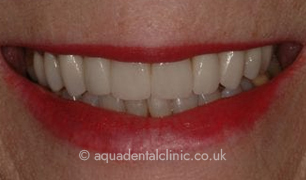

Natural Looking Dentures
available to patients across London
Denture problems? Do you need:
- To replace existing dentures?
- A new complete denture?
- Partial dentures for a few missing teeth?
- A long term solution to loose denture problems?
Modern Dentures
Each of our dentures is lovingly hand-crafted by experienced technicians to fit perfectly and look just like natural teeth. For dentures that feel like natural teeth too, our stabilisation solutions fix loose denture problems with implants or high-suction systems that will confidently stay in place just like the real thing.
The combination of fit, comfort and aesthetics, along with a meticulous eye for detail and uncompromising commitment to quality are just some of the reasons patients have turned to us for dentures for more than 20 years.
Tooth-loss affects millions of us every year. Thankfully, whether you have a single missing tooth or a whole arch, a range of treatments are available to restore bite function and leave you feeling confident about smiling again.
Full and Partial Dentures
There are two types of dentures available:
Partial dentures – replace individual tooth loss or a few missing teeth
Complete dentures – replaces both the upper and lower teeth
Smile Transformations
Before
After
Before
After
Before
After
If you have lost a tooth, it’s essential to seek treatment fast. Teeth can quickly begin moving into the gap, causing loss of bite function and a crooked smile. Tooth-loss can also affect the appearance of your face, reducing vital muscle support and causing the skin to sag. In the very worst cases, it can cause disintegration of the jawbone.
At Aqua Dental Clinic, we know the importance of dentures that not only look great but feel comfortable too. Ill-fitting dentures can cause gum irritation and the inability to eat, as well as affecting self-esteem if they regularly come loose. Our dentures are expertly fitted for stability and aesthetics that won’t let you down.
Combining innovative treatments for stronger solutions
Traditionally, dentures are removable false teeth that are made from plastic. Fitting snugly over the gums, they have been the old, tried, and tested method to replace missing teeth.
However, it’s also possible that dentures might not provide you with the exact result you are hoping for – therefore, it’s always best to discuss with a dentist you trust the best course of action.
And as tooth restoration experts, we know that dental implants provide a more stable, healthier solution that does not hurt your oral health, but instead improves it.
Talk to us today about how we can combine implant treatment with dentures. Call 020 8103 8544.
The problem with conventional dentures
The obvious issue with dentures is that they actually do not replace missing teeth in the way that modern implant dentistry has shown us is possible.
Dentures, merely provide an aesthetic replacement to cover gaps in the mouth, which allow patients to speak and chew better than before.
However, being an expert implant dentist in London, we have met many denture-wearers who want a life free from restrictions; they don’t want to eat just soft foods or worry about their dentures slipping out of place, neither do they want the discomfort and sores.
The not so well-known problem with dentures
Among dental professionals, we know that bone loss is a hugely common issue for patients experiencing tooth loss. What often adds to this issue is that patients have likely had multiple missing teeth for a long period of time. This complicates the issue even further – this is because bone does not grow back.
Bone loss often leads to facial sagging, gum disease, tooth wear and future tooth loss.
Denture-wearers in this case, who have had dentures for a big part of their life often have an inadequate amount of bone in the jaw, which means they are not suitable for dental implant treatment without undergoing pre-implant procedures like bone grafts and sinus lifts.
However, there is an innovative solution called All-on-4 which has been famed for being a graftless procedure that can be completed in the same day! Learn more.
How do dentures compare to implant dentistry?
Did you know the cost of dentures throughout our lifetime can cost you from £7,500? This does not include costs to repair or replace them early.
In comparison, implants can cost from £3,000 per tooth, but they are by far a superior treatment and use porcelain crowns that mimic natural teeth perfectly, so you truly walk away with a new, pearly cosmetic smile.
Depending on the number of implants you need, or which implant treatment you choose, you could actually save money in your lifetime by opting for implants.
Combining dentures with implants for more reliable outcomes
We have a procedure that combines implants and dentures for our patients on a budget, who want to experience the wealth of benefits implants have to offer but are unable to afford the white, natural crowns.
Implant-retained dentures or implant-supported dentures use a few implants to anchor dentures. Once the implants are in the jaw, the overdenture can be set in place, which can either be fixed permanently or be removable for cleaning purposes.
The benefits of these snap-in dentures mean that they are more stable and less likely to come loose while speaking. Plus, they improve chewing ability and are more comfortable – don’t forget your jawbone is preserved.
Replacing your dentures – when to see dentist
- Your dentures click when talking
- Your denture slip or do not fit properly
- Dentures feel uncomfortable or are painful
- The dentures are visibly worn
- You are beginning to display signs of gum disease (bleeding gums and bad breath) or tooth decay
When poorly fitting or worn dentures are not replaced, they can cause you great discomfort, which can cause mouth sores, infections, problems speaking and eating.
For help replacing dentures with implants, or how we can make your dentures fit more securely, get in touch with us by calling 020 8103 8544.
Patients Are Talking About Aqua Dental Clinic
Hear what they’re saying below
It’s hard for non-denture wearers to understand the impact that loose dentures can have on day-to-day life. The things you used to take for granted – eating your favourite foods, laughing and even talking with ease – can become a constant source of anxiety.
We put an end to these worries by securely fixing your dentures in place for good using implants or mini implants. Dental implants not only look and feel like real teeth, they also stay in place in like real teeth too. A well-made set of dental implants are indistinguishable from the real thing.
Please email us at hello@aquadentalclinic.co.uk or use the online form below.
Fields with (*) are required.
Please contact us via this website or email without disclosing confidential information.
Frequently Asked Questions
How do I care for my dentures?
Properly caring for your dentures is essential for keeping them looking their best and avoiding serious oral health problems. The first step in denture care is to properly brush the dentures daily with a soft toothbrush or speciality denture brush. Brush thoroughly, but gently, using a non-abrasive soap or denture paste. Make sure to scrub each surface, both inside and out, as food particles and plaque bacteria can get trapped in these areas. Additionally, this cleaning process will help prevent permanent staining of the plastic material that makes up your dentures.
If you are looking to whiten your dentures like you would natural teeth, this unfortunately cannot be done because of the makeup of the plastic material used to make them. However, there are a variety of over-the-counter cleansers available that can effectively remove most stains from your dentures if used according to the manufacturer’s instructions; just be sure not to use any abrasive materials as this could damage the plastic material used on your dentures. Regularly cleaning and maintaining your dentures can help keep them looking good and maintain better health in the long run.
Can I sleep in my dentures?
Sleeping with dentures is a tricky question and the answer depends entirely on an individual’s needs and health. Wearing dentures at night is usually not recommended, as it can prevent the gums and bones from getting some much-needed Dentures can be a great way to restore someone’s smile and their ability to chew and eat food without pain or discomfort. While adapting to dentures can take time, most people are able to eventually eat normally with them after they become accustomed to the new appliance. To get used to dentures quickly, it helps to use a small amount of denture adhesive initially on each one so that the dentures don’t move around as much while you learn the best way to use them. When you first start out it’s important not to attempt chewing hard candy or gum as these may cause your dentures to slip or shift out of place due to the sticky residue left behind from the candy or gum. As you gain more practice, however, eating normally will become much easier and second nature for you in no time! rest. On the other hand, there are people who may need their dentures to provide support for their bite or to maintain facial structure when there are missing teeth. In such cases, it may be necessary to keep the denture in place while sleeping.
Regardless of the individual situation, proper oral hygiene should always be practised when wearing dentures during any part of the day. Dentures must be removed every day in order to properly clean all surfaces of the prostheses and use a special denture brush & paste for an even deeper cleanse. Additionally, these removable prosthetics should also be stored safely in water overnight. By following these helpful tips, you can increase your chance of having healthy gums, stable jaw alignment and longer-lasting dentures over time!
Can I eat normally with dentures?
Dentures can be a great way to restore someone’s smile and their ability to chew and eat food without pain or discomfort. While adapting to dentures can take time, most people are able to eventually eat normally with them after they become accustomed to the new appliance. To get used to dentures quickly, it helps to use a small amount of denture adhesive initially on each one so that the dentures don’t move around as much while you learn the best way to use them. When you first start out it’s important not to attempt chewing hard candy or gum as these may cause your dentures to slip or shift out of place due to the sticky residue left behind from the candy or gum. As you gain more practice, however, eating normally will become much easier and second nature for you in no time!
