



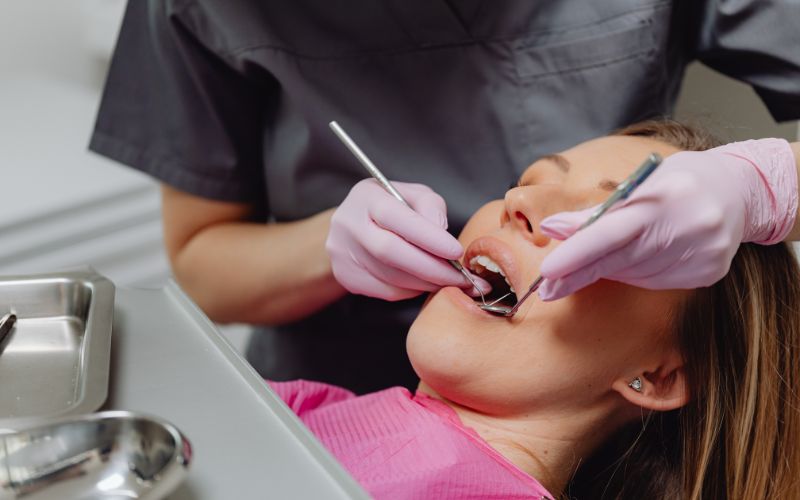
Dental implants are one of the most reliable and long-lasting ways to replace missing teeth. They restore your smile, improve chewing ability, and help preserve the jawbone. However, many patients considering implants are surprised to learn that healthy gums play a vital role in the success of treatment.
If you have been diagnosed with gum disease or have noticed symptoms such as bleeding gums or loose teeth, you may wonder whether dental implants are still an option.
At Aqua Dental Clinic, we carefully assess every patient’s oral health before recommending implant treatment. In many cases, gum disease does not permanently prevent dental implants, but it must usually be treated first to create a healthy foundation for long-term success.
What Is Gum Disease?
Gum disease, also known as periodontal disease, is a bacterial infection that affects the gums and the structures supporting your teeth.
It generally develops in two stages:
Gingivitis
Gingivitis is the earliest stage of gum disease. Common symptoms include:
- Bleeding when brushing or flossing
- Red or swollen gums
- Tender gums
- Persistent bad breath
At this stage, the condition is usually reversible with professional dental cleaning and improved oral hygiene.
Periodontitis
If gingivitis is left untreated, it can progress to periodontitis.
This advanced stage affects the bone and connective tissues supporting the teeth, potentially causing:
- Gum recession
- Loose teeth
- Bone loss
- Tooth loss
- Ongoing infection
Because dental implants rely on healthy bone and gums for stability, active periodontitis must be addressed before implant treatment begins.
Why Healthy Gums Matter for Dental Implants
A dental implant is placed into the jawbone, where it gradually fuses with the bone through a natural healing process known as osseointegration.
Healthy gums help protect the implant from harmful bacteria while supporting proper healing.
If active gum disease is present, it can:
- Increase the risk of implant infection
- Delay healing
- Reduce bone support
- Increase the likelihood of implant failure
This is why treating gum disease is an essential part of successful implant planning.
Can You Still Get Dental Implants If You Have Gum Disease?
In many cases, yes.
Having gum disease does not automatically mean you cannot have dental implants. However, the disease must usually be brought under control before treatment can safely proceed.
Your dentist will assess:
- The severity of gum disease
- The amount of healthy bone available
- Overall gum health
- Your oral hygiene habits
- Medical history and lifestyle factors
Once the gums are healthy and the infection has been treated, many patients become suitable candidates for dental implants.
What If You Have Already Lost Bone?
Advanced gum disease can lead to significant jawbone loss.
If there is not enough healthy bone to support an implant, your dentist may recommend additional procedures before implant placement.
These may include:
Bone Grafting
Bone grafting helps rebuild areas where bone has been lost, creating a stronger foundation for future dental implants.
Gum Disease Treatment
Deep professional cleaning, also known as periodontal therapy, removes bacteria beneath the gums and helps control infection.
In some cases, additional periodontal treatment may be required before implant placement.
Your personalised treatment plan will depend on your individual oral health needs.
What Happens Before Dental Implant Treatment?
Before recommending implants, your dentist will carry out a comprehensive assessment.
This usually includes:
- A full dental examination
- Digital X-rays or 3D scans
- Assessment of gum health
- Evaluation of bone quantity and quality
- Review of your medical history
- Discussion of your treatment goals
If gum disease is identified, treatment will focus on restoring healthy gums before implant surgery is considered.
How Can You Improve Your Chances of Implant Success?
Good oral hygiene plays an important role both before and after implant treatment.
To help protect your implants:
- Brush twice daily using fluoride toothpaste.
- Clean between your teeth every day.
- Attend regular dental examinations.
- Schedule professional hygiene appointments.
- Avoid smoking, as it significantly increases the risk of implant complications.
- Follow your dentist’s aftercare advice carefully.
Healthy daily habits greatly improve the long-term success of dental implants.
What Is Peri-Implant Disease?
Even after successful implant treatment, good gum health remains essential.
Peri-implant disease is an inflammatory condition that affects the tissues surrounding a dental implant.
Early symptoms may include:
- Bleeding around the implant
- Swollen or tender gums
- Bad breath
- Gum recession
- Bone loss around the implant
Regular maintenance appointments allow your dentist to detect and manage problems early, helping protect your investment.
Are Dental Implants Worth It After Gum Disease?
For many patients, absolutely.
Once gum disease has been successfully treated and oral health stabilised, dental implants can provide a secure, functional, and natural-looking replacement for missing teeth.
With ongoing maintenance and excellent oral hygiene, implants can remain successful for many years.
The key is ensuring the gums are healthy before treatment begins and continuing to care for them afterwards.
Why Choose Aqua Dental Clinic?
At Aqua Dental Clinic, we understand that every patient’s oral health journey is different. Our experienced team provides comprehensive assessments, personalised periodontal care, and carefully planned dental implant treatment designed to support long-term success.
Whether you have recently been treated for gum disease or are exploring your tooth replacement options, we are committed to helping you achieve a healthy, confident smile with compassionate, evidence-based care. Even nervous patients are supported through our calm approach and available sedation options.
Book Your Consultation Today
If you have gum disease and are considering dental implants, the first step is a comprehensive dental assessment.
Contact Aqua Dental Clinic today to arrange a consultation. Our experienced team will evaluate your gum health, discuss your treatment options, and develop a personalised plan to help you restore your smile safely and successfully.
Frequently Asked Questions About Gum Disease and Dental Implants
Q: Can I get dental implants if I have gum disease?
A: In many cases, yes. Active gum disease usually needs to be treated before implant placement. Once your gums are healthy and the infection is under control, you may become a suitable candidate for dental implants.
Q: Why does gum disease affect dental implants?
A: Gum disease causes inflammation, infection, and bone loss, all of which can reduce the support needed for successful implant healing and long-term stability.
Q: Will I need bone grafting before getting dental implants?
A: If gum disease has caused significant bone loss, your dentist may recommend bone grafting to rebuild the jawbone before placing dental implants. Not every patient requires this procedure.
Q: Can dental implants fail because of gum disease?
A: Yes. Untreated gum disease or poor oral hygiene can increase the risk of peri-implant disease, which may affect the stability of the implant. Regular dental visits and good home care help reduce this risk.
Q: How long after gum disease treatment can I get dental implants?
A: The timing varies depending on the severity of the gum disease and how well your gums heal. Your dentist will monitor your progress and recommend implant treatment only when your mouth is healthy enough to support long-term success.
Q: How can I keep my dental implants healthy after treatment?
A: Brush twice daily, clean between your teeth every day, attend routine dental examinations and hygiene appointments, avoid smoking, and follow your dentist’s maintenance advice to help protect your implants for years to come.