

Not every crooked smile needs a year or two of orthodontic treatment. If your teeth are generally well-positioned but a few at the front have drifted, gapped, or rotated slightly, six month braces are built to fix exactly that, in a fraction of the time a full brace system would take.
The short version: six month braces use clear brackets and tooth-coloured wires to move the visible front teeth into place, focusing on cosmetic alignment rather than the bite corrections a full orthodontic case would involve. This page covers how the treatment works, who it suits, what to expect during it, and what it costs.
Six month braces are a short-term cosmetic orthodontic treatment. They use the same basic mechanism as traditional braces, brackets and wire, but with gentler forces and a narrower focus: straightening the teeth that show when you smile rather than repositioning your whole bite.
The brackets are typically clear or tooth-coloured and the wires are designed to blend in more than a standard metal brace, which is part of why the treatment appeals to adults who want a fast, discreet fix rather than a full orthodontic overhaul.
All three options move teeth, but they’re built for different jobs. Traditional braces handle complex bite corrections and significant movement, typically over one to two years or more. Invisalign uses clear removable aligners instead of fixed brackets, suiting patients who want to avoid visible hardware and can commit to wearing aligners for the required hours each day.
Six month braces sit in a specific niche: cosmetic straightening of the front teeth, fixed in place rather than removable, and finished in a fraction of the time traditional braces take. They’re not a replacement for either option in more complex cases, they’re the right tool when the case genuinely fits their scope.
Not sure whether fixed braces or Invisalign suits you better? We’ll talk through both at your assessment.

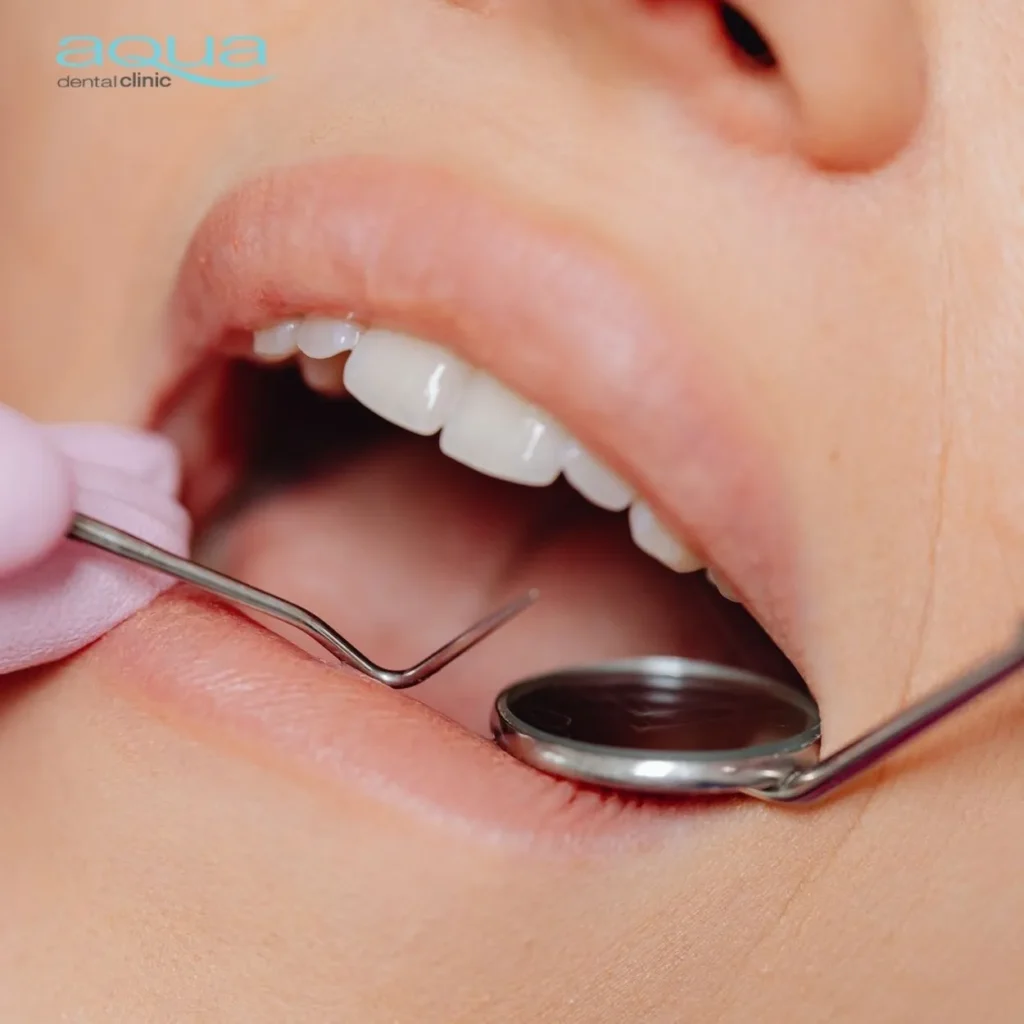
Six month braces suit mild to moderate cosmetic concerns: crowding, gaps, or teeth that have rotated or drifted since a previous brace. They’re not designed for bite corrections, significant crowding, or cases involving the back teeth, since the treatment deliberately focuses force on the visible front section of the smile.
The only way to know if your case fits is an assessment. We’ll check your teeth, gums and bite, and be upfront if a different treatment, whether that’s Invisalign or traditional braces, would actually serve you better than a fast cosmetic fix.
1. Assessment. We check your teeth, gums and bite to confirm the case is a good fit for a short-term cosmetic approach before going further.
2. Fitting. Brackets are bonded to your teeth and connected with tooth-coloured wire, adjusted to start guiding your teeth toward their new positions.
3. Monthly adjustments. You’ll come in roughly once a month so we can tighten and adjust the wire as your teeth move.
4. Removal. Once your teeth are in position, the brackets come off and we take an impression for your retainer.
5. Retention. A retainer keeps your teeth from drifting back, worn as instructed once the active treatment phase ends.
Most cases are finished within the treatment’s namesake timeframe, though the exact length depends on how much movement your teeth need.
Some pressure or mild discomfort for a day or two after each adjustment is normal and settles quickly, similar to what most people experience with any brace system. The brackets are more visible than Invisalign’s clear aligners but far less noticeable than traditional metal braces, which is usually the main trade-off patients are weighing when choosing between the two.
Regular brushing and flossing take a bit more care with fixed brackets in place, and we’ll talk you through the adjustments to your routine at your fitting appointment.


Teeth naturally drift over time, brace or no brace, which is why a retainer matters just as much as the active treatment. Wearing it as instructed, particularly in the months right after your braces come off, is what keeps your new smile from slowly reverting to where it started.
If your case is genuinely limited to the front teeth and you want the fastest fixed option available, six month braces are usually the right call. If discretion matters more than speed and your case suits removable aligners, Invisalign is worth considering instead, including our Invisalign Lite option for smaller movements. If your case involves your bite or significant crowding, traditional braces remain the more thorough option even though they take longer.
We’ll walk through the honest trade-offs of each at your consultation rather than steering you toward whichever is quickest to book in.
Pricing depends on how many teeth need moving and how much adjustment your case requires, confirmed at your assessment. Our payment plans and membership plans may apply, and our fee guide page lists current pricing across our other treatments. The only way to get an exact figure for your case is a consultation.
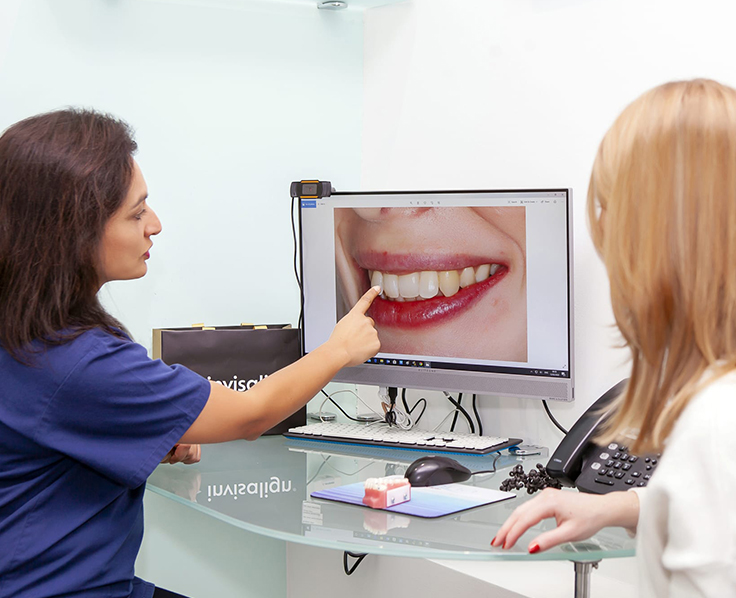
A short treatment time only works well when the case is assessed properly first. We check that six month braces are genuinely the right fit for your teeth before recommending them over an alternative, rather than fitting everyone into the fastest option regardless of case complexity.
If dental anxiety is part of what’s holding you back, our nervous patients page explains how we handle that. New to the practice? Our new patients page walks through what your first visit looks like, and meet the team if you’d like to know who you’ll be seeing.
Most cases finish around the treatment’s namesake timeframe, though the exact length depends on how much movement your teeth need and is confirmed at your assessment.
The brackets are clear or tooth-coloured and the wires are designed to blend in, so they’re far less visible than traditional metal braces, though more visible than Invisalign’s clear aligners.
You may feel mild pressure or discomfort for a day or two after each monthly adjustment, similar to other brace systems. It typically settles quickly.
No. They’re designed for cosmetic straightening of the front teeth rather than bite correction. If your case involves your bite, we’ll discuss whether traditional braces or another option fits better.
Six month braces are fixed brackets and wire, focused on the front teeth. Invisalign uses removable clear aligners and can treat a wider range of cases depending on the aligner system used. We’ll help you weigh which suits your case and preferences.
Yes. Teeth naturally drift over time, so wearing your retainer as instructed protects the result once your braces come off.
No. They suit mild to moderate cosmetic concerns in the front teeth. More significant crowding or bite issues usually need a different approach, confirmed at your assessment.
Pricing depends on how many teeth need moving and how much adjustment your case requires, confirmed at your consultation.